Korean parenting culture
In Korea, there’s a joke among parents:
“If your child needs even one of these, dad has to work 10 more years.”
It sounds funny, but there’s a bit of truth behind it.
Many Korean parents feel a quiet pressure—not just to raise healthy kids, but to give them every possible advantage. Appearance, confidence, and even small details can feel like they matter more than they should.
So what are these so-called “back-breaking” expenses?
Let’s talk about the three big ones.
Why does this happen?
Korea is a highly competitive society.
From school to jobs, small differences can feel like big disadvantages.
For example, it’s still common in Korea to include a photo on a résumé. First impressions matter, whether we like it or not.
Parents are also heavily influenced by community culture.
Even at the kindergarten level, people quietly notice things:
- Is the child attending a regular preschool or a private English kindergarten?
- What kind of activities are they doing?
- What kind of support are they getting?
No one says it out loud, but comparisons happen.
And sometimes, it starts very early.
1. Orthodontics (Braces)
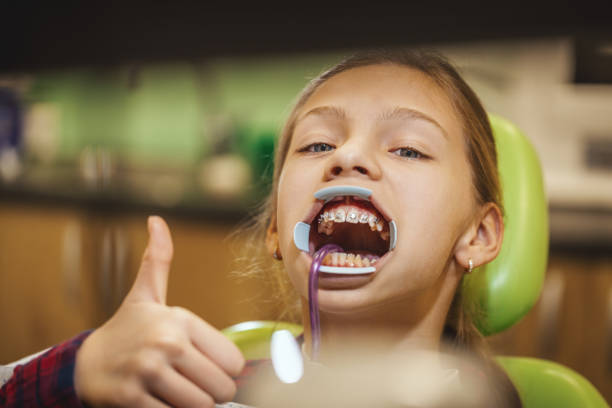
For many kids in Korea, orthodontic treatment feels almost like a standard step rather than an option.
There are generally two types:
- Corrective orthodontics: the traditional braces most people know, used to align teeth.
- Growth guidance orthodontics: started earlier (even with baby teeth), using a child’s natural growth to guide jaw development.
Here’s the catch:
If a child starts early growth treatment, they often still need full braces later.
Which means…
double cost, and sometimes more.
Treatment can last several years, and costs vary widely depending on the method and clinic. While some cases are medically necessary, many are done for aesthetic reasons or long-term confidence.
Some parents try to delay or reduce the need for braces by focusing on early dental habits. Things like gentle kids’ electric toothbrushes or orthodontic-friendly floss can make a difference over time.
2. Ortho-K Lenses (Dream Lenses)
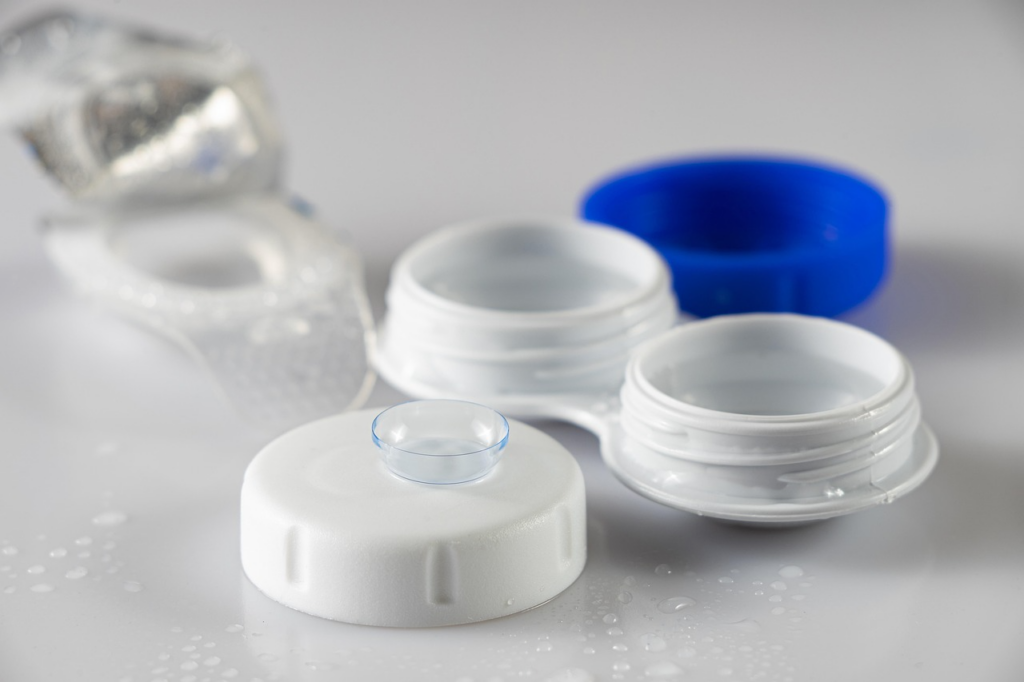
This is one of the most interesting (and surprising) options for people outside Korea.
Ortho-K lenses are worn overnight.
While sleeping, they gently reshape the cornea so that the child can see clearly during the day without glasses.
For parents, the appeal is obvious:
- No glasses during school or activities
- More convenience
- And honestly… appearance plays a role too
In a society where image can matter, not wearing glasses is often seen as a plus.
But there are downsides:
- They require very careful hygiene
Because hygiene is so important, many parents invest in proper lens cleaning solutions and storage cases to reduce risks. - There’s a risk of infection if not managed properly
- Lenses can be lost or damaged
- Not every child is a suitable candidate
It’s not a simple decision, even if other parents are doing it.
3. Growth Hormone Injections

This is probably the most controversial—and the most expensive—of the three.
Growth hormone therapy is originally designed for children with medical conditions, such as hormone deficiencies or early puberty (precocious puberty).
But in some cases, it’s also used for non-medical reasons—simply because a child is shorter than average.
And that’s where things get complicated.
The treatment typically involves:
- Daily injections
- Long-term commitment (often years)
- Significant cost
For both the child and the parents, it’s not an easy process.
Speaking personally, as a mom who isn’t tall, I understand the feeling.
Part of me thinks,
“Should I do this for my child?”
And at the same time…
it’s a daily injection. It sounds scary. It feels overwhelming.
If it were just a simple supplement, maybe it would feel different.
But injections are a different story.
It’s one of those decisions that sits heavily in your heart.
Some parents choose to focus on nutrition and sleep first before considering medical options.
So… are they really necessary?
That’s the question many parents quietly struggle with.
Some treatments are truly helpful, even necessary.
Others are more about expectations, comparison, and fear of falling behind.
Sometimes it’s not about what your child needs.
It’s about what everyone else seems to be doing.
Final thoughts
Raising kids in Korea can feel like a constant balancing act.
You want to give them the best.
You don’t want them to feel left out.
But at the same time, you wonder where to draw the line.
Maybe the real question isn’t
“Should we do all of this?”
But rather:
“What does my child actually need to grow well—and be happy?”
Because in the end, perfection isn’t what kids need most.
This post may contain affiliate links. If you purchase through these links, I may earn a small commission at no extra cost to you.