Do Other Countries Celebrate Turning 60?
A few weeks ago, while talking with my family about a 60th birthday celebration, I found myself wondering about something.
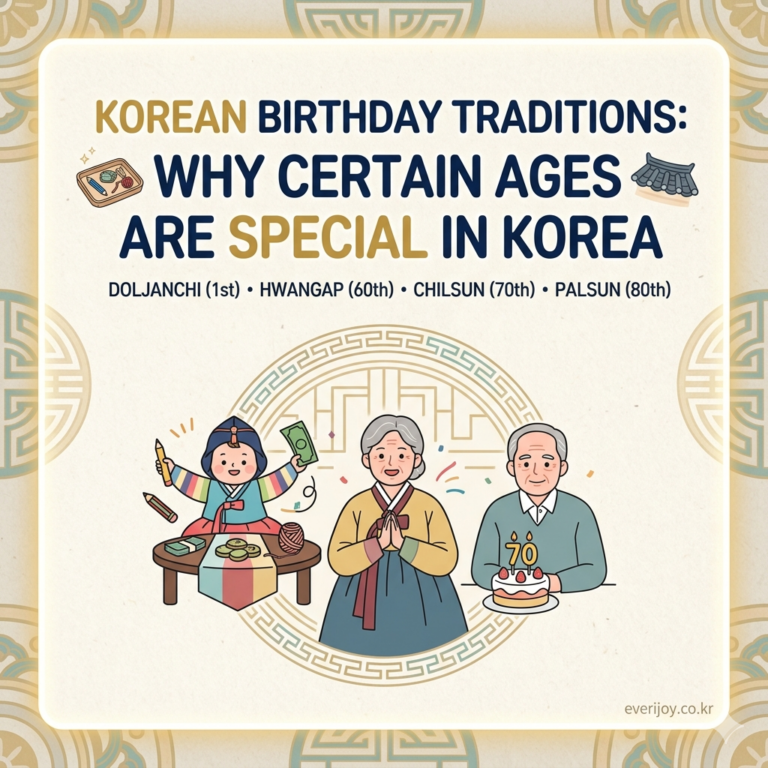
In Korea, many people are familiar with milestones like Hwangap (60th birthday), Chilsoon (70th birthday), and Palsoon (80th birthday). Family gatherings, special meals, and sometimes even large parties are organized to celebrate these occasions.
But do people in other countries celebrate turning 60 in the same way?
When I started looking into it, I discovered that the answer is both yes and no.
Why Is Turning 60 Important in Korea?
Traditionally, turning 60 was considered a major life milestone in Korea.
The reason comes from the traditional East Asian zodiac calendar, which follows a 60-year cycle. Reaching 60 means completing one full cycle and returning to the zodiac sign and element associated with the year of your birth.
In the past, this was an especially meaningful achievement because average life expectancy was much lower than it is today. Living long enough to reach 60 was something worth celebrating with family and friends.
Today, many Korean families still gather for Hwangap celebrations, although the style has changed. Instead of large traditional banquets, some families prefer family trips, restaurant gatherings, or small private parties.
What About Other Countries?
As it turns out, many countries celebrate different ages for different reasons.
The United States: Celebrating Independence
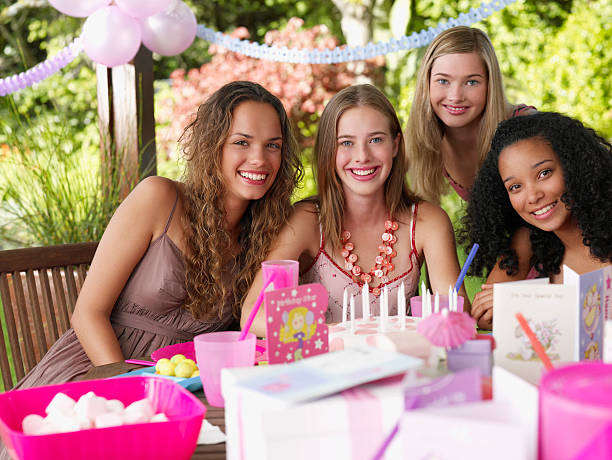
In the United States, milestone birthdays are often connected to gaining new freedoms rather than growing older.
One famous example is the Sweet Sixteen party. Traditionally associated with a girl’s 16th birthday, it symbolizes the transition from childhood to young adulthood.
Another important milestone is turning 21. At this age, Americans can legally purchase alcohol, making it one of the most anticipated birthdays for many young adults.
Rather than celebrating longevity, these birthdays celebrate increasing independence and responsibility.
Latin America: The Quinceañera
In many Latin American countries, girls celebrate their fifteenth birthday with a Quinceañera.
These events can be surprisingly elaborate, featuring formal dresses, dancing, professional photography, and large family gatherings.
In some cases, the scale of a Quinceañera can rival a wedding.
The celebration marks a young person’s transition into adulthood and is considered one of the most important family events of their teenage years.
Japan: A Blend of Both Traditions
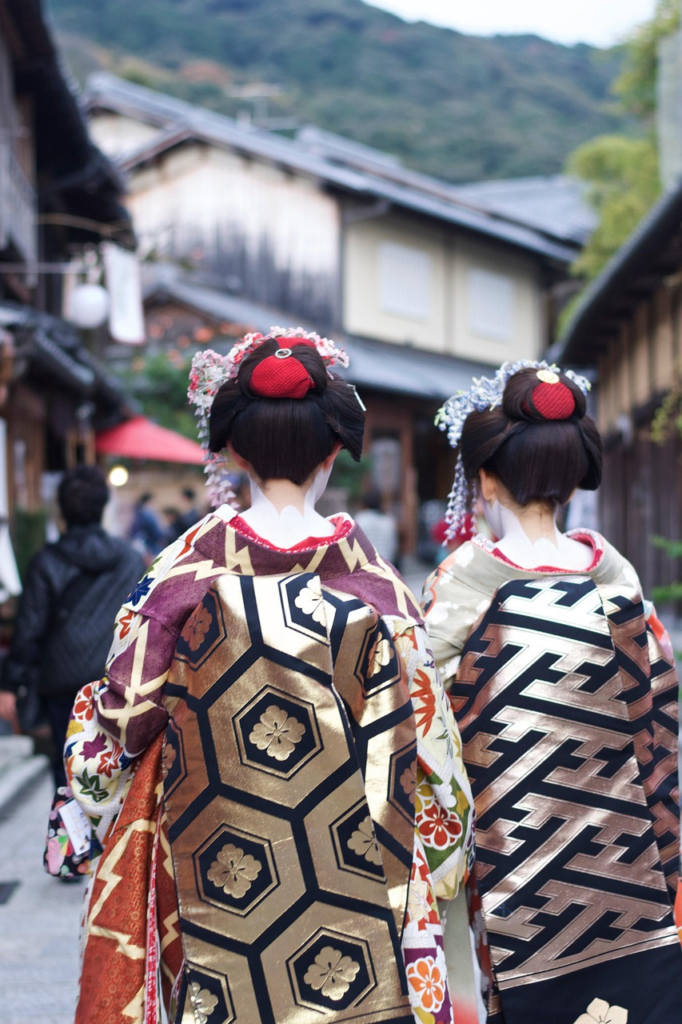
Japan shares some similarities with Korea.
Like Korea, Japan has a traditional celebration for turning 60, known as Kanreki. It is also connected to the completion of the 60-year zodiac cycle.
At the same time, Japan has a well-known Coming of Age Ceremony, where young adults celebrate entering adulthood.
In some ways, Japan combines both ideas: celebrating major milestones at the beginning of adulthood and later in life.
Looking Back at the Birthday Parties I Saw in Movies
When I was a teenager, I watched a lot of American TV shows and movies.
Back then, I was fascinated by the birthday parties and party culture I saw on screen.
Compared to what I was used to in Korea at the time, everything felt so different. Sometimes it even seemed a little shocking. The parties looked bigger, louder, and much more free-spirited than anything I had experienced.
I remember being curious about what those celebrations were really like. Part of me was even a little jealous of how carefree and exciting they seemed.
To be honest, I am still curious.
But now I see things from a parent’s perspective.
These days, whenever I watch scenes with huge birthday parties, my first thought is often, “Who cleaned everything up afterward?”
The decorations, food, invitations, transportation, photos, and all the planning involved suddenly seem much more impressive than they did when I was sixteen.
Then Again, Korean Parties Can Be Just as Big
The funny thing is that Korea has developed its own large-scale celebration culture as well.
For milestone events such as first birthdays, weddings, and even some 60th birthday celebrations, many families hire professional services.
Venues can be rented, outfits and makeup arranged, photographers booked, and catering prepared. Sometimes almost every detail is handled by specialists.
As a child, I thought elaborate parties were mostly something I saw in foreign movies.
As an adult, I realize that Korean families have created their own version of that experience.
Perhaps the style is different, but the desire is the same: gathering people we love to celebrate important moments in life.
Growing Up vs. Growing Old
One thing that stood out to me while researching this topic was the difference in what cultures choose to celebrate.
Many Western traditions focus on growing up—turning 16, 18, or 21 and gaining new freedoms.
Korean traditions often place more emphasis on growing old—reaching 60, 70, or 80 and reflecting on a life well lived.
Neither approach is better than the other.
They simply reflect different values.
As a parent, I find both perspectives meaningful.
We celebrate our children’s first steps, first words, and birthdays as they grow.
Perhaps there is something equally beautiful about celebrating the later chapters of life as well.
After all, reaching 60, 70, or 80 is an achievement worth recognizing too.