Learn the meaning of Samiljeol and how to share this important Korean tradition with your child.
March 1st Movement Day in Korea: The Meaning of Samiljeol
March 1st is an important national holiday in Korea called Samiljeol (삼일절), also known as Independence Movement Day. It commemorates the historic day in 1919 when Koreans publicly declared their independence from Japanese colonial rule.
On this day, people across Korea remember the courage of those who participated in the independence movement and reflect on the importance of freedom and national identity.
What Happened on March 1st, 1919?
On March 1st, 1919, Korean independence activists gathered and read the Declaration of Independence in public. This event sparked peaceful demonstrations across the country, with thousands of people participating in nonviolent protests.
One of the most well-known figures of this movement is Yu Gwan-sun, a student who became a symbol of courage after participating in demonstrations and continuing the independence movement even after being arrested.
The March 1st Movement was not a single protest but a nationwide movement that spread to many regions. Although the demonstrations were peaceful, many protesters were arrested or injured. Despite this, the movement became a powerful symbol of Korea’s desire for independence.
Today, this historic event is remembered as the March First Movement, which played an important role in Korea’s path toward independence.
Why Samiljeol Is Important
Samiljeol is meaningful not only because it marks a historical event, but also because it represents the values of freedom and national unity.
For many Koreans, it is a day to remember the sacrifices made by earlier generations and to appreciate the independence Korea enjoys today.
Schools often teach students about the March 1st Movement, and children sometimes learn about the meaning of the Korean flag and independence activists around this time of year.
The Korean Flag on March 1st
One of the most recognizable traditions of Samiljeol is displaying the Korean flag, known as the Taegeukgi.
On March 1st, many families hang the flag outside their homes or on apartment balconies. Streets and public buildings are also decorated with flags to commemorate the holiday.
The flag symbolizes Korea’s identity and independence, making it especially meaningful on this day.

How People Commemorate Samiljeol Today
Today, Samiljeol is observed in several ways:
- The Korean flag is displayed on homes and buildings
- Memorial ceremonies are held across the country
- Students learn about independence history
- Families talk about Korean history together
- Some people visit historic sites or museums
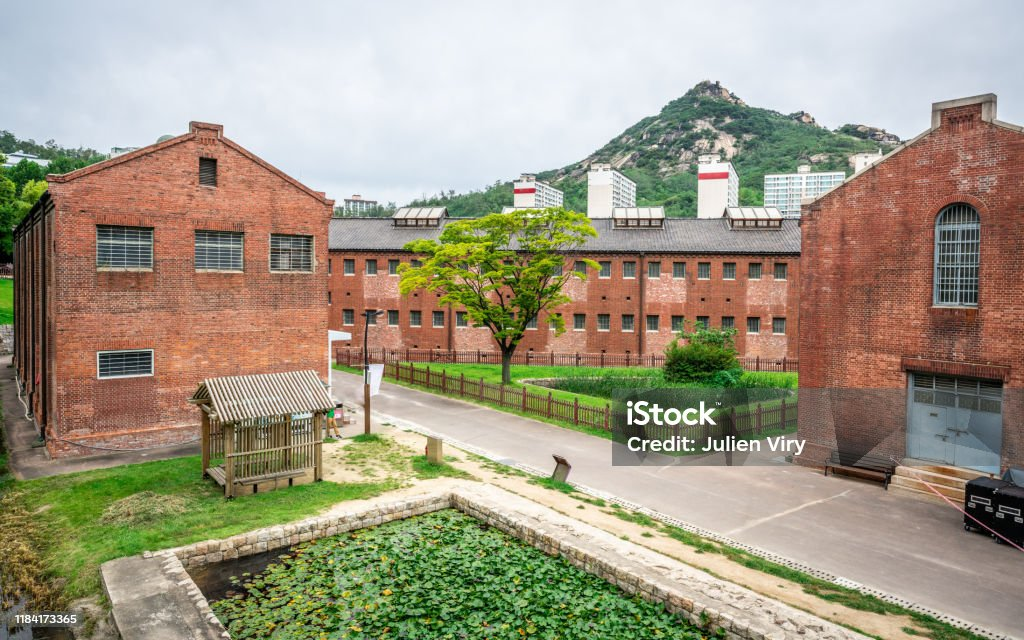
One of the representative places people visit is the Independence Hall of Korea, where visitors can learn more about Korea’s independence movement and history.
Samiljeol as a National Holiday
Samiljeol is a public holiday in Korea, so most schools and offices are closed. For many families, it is both a day of rest and a meaningful time to reflect on Korean history.
While some people simply enjoy the day off, others take the opportunity to teach children about the importance of independence and national identity.
Why It Still Matters Today
Even today, Samiljeol remains an important reminder of Korea’s history and the efforts made to achieve independence.
By remembering March 1st, Koreans honor the courage and sacrifices of those who stood up for their country and helped shape the nation’s future.
For this reason, Samiljeol is not just a historical anniversary — it is a meaningful day that connects past and present generations.
How to Explain Samiljeol to Your Child
March 1st can feel like a complicated historical event, but you can explain it to children in simple and meaningful ways.
You can try explaining it like this:
1. Start simple
You can say:
“March 1st is a special day when Koreans remember how people worked together for Korea’s independence.”
2. Connect it to something they can see
Show them the Korean flag and explain:
“On this day, we hang the Korean flag to remember the people who helped Korea become independent.”
You can use the Taegeukgi as a visual example while talking together.
3. Keep it age-appropriate
For younger children:
“It’s Korea’s birthday of freedom.”
For older children:
“It’s the day people stood up peacefully for Korea’s independence.”
4. Do something small together
You can:
- Draw the Korean flag
- Hang a flag on the balcony
- Read a simple history story
- Talk about why freedom is important
Even a short conversation can help children understand why this day matters.
In Short
To explain Samiljeol to your child, you can:
- Keep the explanation simple
- Use the Korean flag as an example
- Focus on the idea of freedom
- Talk together as a family
It doesn’t have to be a long lesson — even a small conversation can make the day meaningful.