1. Korean Age: A Unique Age System Once Used in Korea
To understand Korean preschool age, you first need to know the traditional age system. In Korea, infants were historically 1 year old at birth, and their age increased every January 1st, regardless of their birth date.
This means that two children born in the same year could have very different actual ages, but still be considered the same age in Korean age.
For example:
Baby A was born on January 1, 2025.
Baby B was born on December 31, 2025.
When the date becomes January 1, 2026:
Both Baby A and Baby B would be 2 years old in Korean age, even though Baby B is actually only one day old.
This system existed for a very long time in Korea and was commonly used in daily life, social interactions, and even in some official settings.
However, because this system was very confusing for foreigners and also created inconsistencies in legal and administrative situations, the Korean government decided to change it.
In June 2023, Korea officially began transitioning to the international age system in most legal and administrative contexts.
2. International Age: The Global Standard
The international age system is the standard used in most countries around the world.
In this system, a person’s age increases only on their birthday, and babies start at 0 years old when they are born.
Using the same example again:
Baby A was born on January 1, 2025.
Baby B was born on December 31, 2025.
On January 1, 2026:
Baby A would be 1 year old.
Baby B would still be 0 years old.
This is the system now officially used in Korea for legal documents, administration, and most government services.
Although the international age system is now the official standard, many Koreans still casually refer to birth years when talking about age in everyday conversation. For example, instead of saying their age, they may simply say something like “I’m a 1990-liner.”
Because of this mix of old habits and new rules, age in Korea can sometimes feel confusing for people who are not familiar with the system.
But when it comes to education and school enrollment, Korea uses yet another system.Is Korean Age Still Used?
As of 2023, South Korea officially adopted the international age system for legal and administrative purposes.
In the past, people commonly used the traditional Korean age system, where a baby was considered one year old at birth and everyone became one year older on January 1st.
However, this system often caused confusion when interacting with international systems, medical records, and legal documents.
To simplify things, the government decided to standardize age calculation using the international age system, which is based on a person’s actual birthday.
Even though the international age is now the official system, some people in Korea still casually refer to Korean age in everyday conversations.
3. School Age in Korea: Based on Birth Year
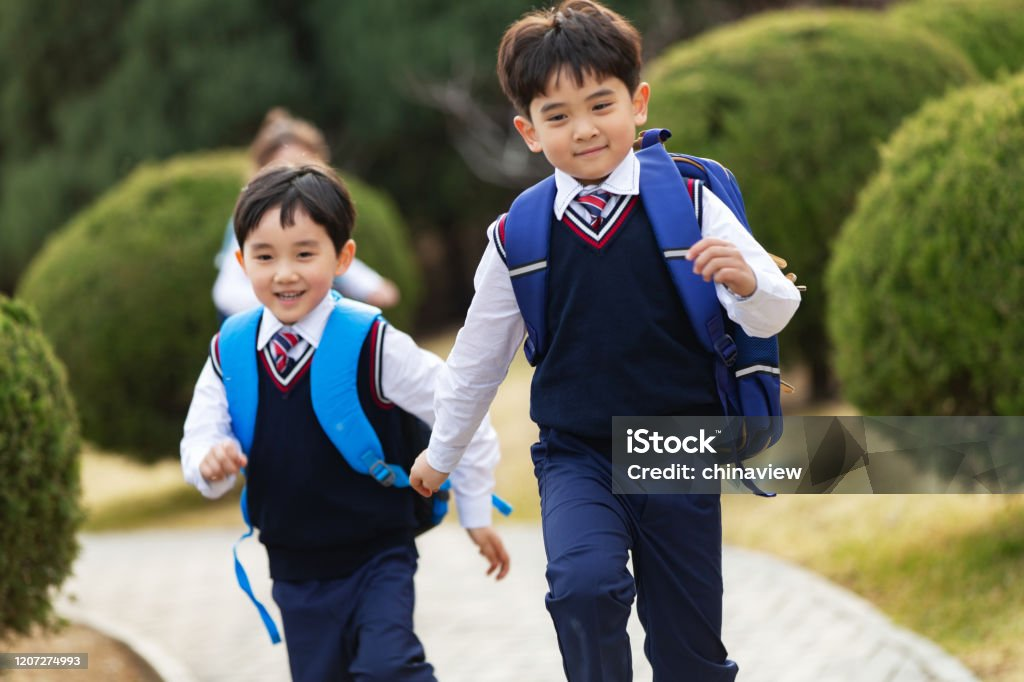
Unlike the international age system, the Korean education system is based on birth year, not the exact birthday.
This means that children born in the same year usually enter school together, even if their birthdays are months apart.
For example:
Baby A was born on January 1, 2025.
Baby B was born on December 31, 2025.
Even though Baby B is almost one year younger than Baby A in actual age, both children belong to the same school cohort.
In Korea, the school year begins in March, and students who were born between January and December of the same year typically start elementary school together.
So both Baby A and Baby B would enter elementary school in March 2032.
This birth-year system is also why Korean students often introduce themselves by saying their birth year, rather than their age.
Real Example from Our Family
To better understand how the Korean school-age system works, here is a real example from my own family.
I sent both of my children to kindergarten starting at age three (international age).
However, even though they were placed in the same “age 3 class,” their actual ages were quite different.
My first child was born in February, which is considered an early birth month within the same birth year.
When he entered the age-3 kindergarten class, he was already 49 months old, which is close to four years old.
My second child, on the other hand, was born in November.
When she entered the same age-3 kindergarten class, she was only 39 months old.
This means there was a 10-month age difference between children in the same class.
In early childhood, a difference of almost a year can affect things such as language development, emotional maturity, and physical growth.
Because of this, children born later in the year may sometimes appear smaller or less developmentally advanced compared to classmates born earlier in the same year.
Birth Month Preferences in Korea
Because school groups are based on birth year rather than actual birthday, some Korean parents prefer their children to be born earlier in the year.
Children born in January or February can be almost one year older than classmates born near the end of the year, which can sometimes be an advantage in early childhood development.
For this reason, many parents casually mention that being an “early-year baby” can be beneficial when entering school.
Interestingly, population statistics show that the number of births in Korea often tends to be lower toward the end of the year.
According to data from Statistics Korea, the number of births in November 2023 was 17,531, one of the lowest monthly figures on record.
However, this pattern is influenced by many factors such as overall declining birth rates and seasonal trends, not only school-age preferences.
A Note About the “Fast Birth Year” System (빠른년생)
In the past, Korea had a system called “fast birth year” (빠른년생).
Under this system, children born in January or February could enter school one year earlier and join students born in the previous year.
For example:
A child born on May 3, 1989 and a child born on February 3, 1990 could enter elementary school together in March 1996.
However, this system caused confusion and sometimes created developmental gaps between students.
Because of these issues, the “fast birth year” system was officially abolished in 2009.
Today, Korean schools follow a clearer rule:
All children born between January and December of the same year belong to the same school entry group.
In rare cases, early admission (조기입학) may be possible if parents apply and the school approves, but this is not common.
4. Preschool Education in Korea
Before entering elementary school, most children in Korea attend either daycare (어린이집) or kindergarten (유치원).
Although both institutions care for young children, their roles and focus are slightly different.
In Korea, daycare centers usually accept children from 0 years old to 5 years old, while kindergartens typically accept children from 3 to 5 years old based on international age.
Because of this structure, many Korean children first attend daycare when they are very young and later move to kindergarten before starting elementary school.
For example, a common path for many children is:
Attend daycare until around age 2, and then move to kindergarten starting at age 3.
However, this is not a strict rule. Some children stay in daycare until they enter elementary school, while others start kindergarten earlier depending on their family’s preferences and the availability of institutions in their area.
It is also important to note that each daycare center may have slightly different class structures depending on the number of enrolled children. Some age groups may not be available in smaller daycare centers.
Because of these differences, parents usually check directly with the daycare center or kindergarten they are interested in before applying.
5. Daycare vs Kindergarten in Korea
In Korea, daycare centers and kindergartens are managed by different government ministries and focus on slightly different goals.
Daycare (어린이집 / Eorinijip)
Focus: Childcare and daily care
Target Age: 0 to 5 years old (international age)
Governing Body: Ministry of Health and Welfare
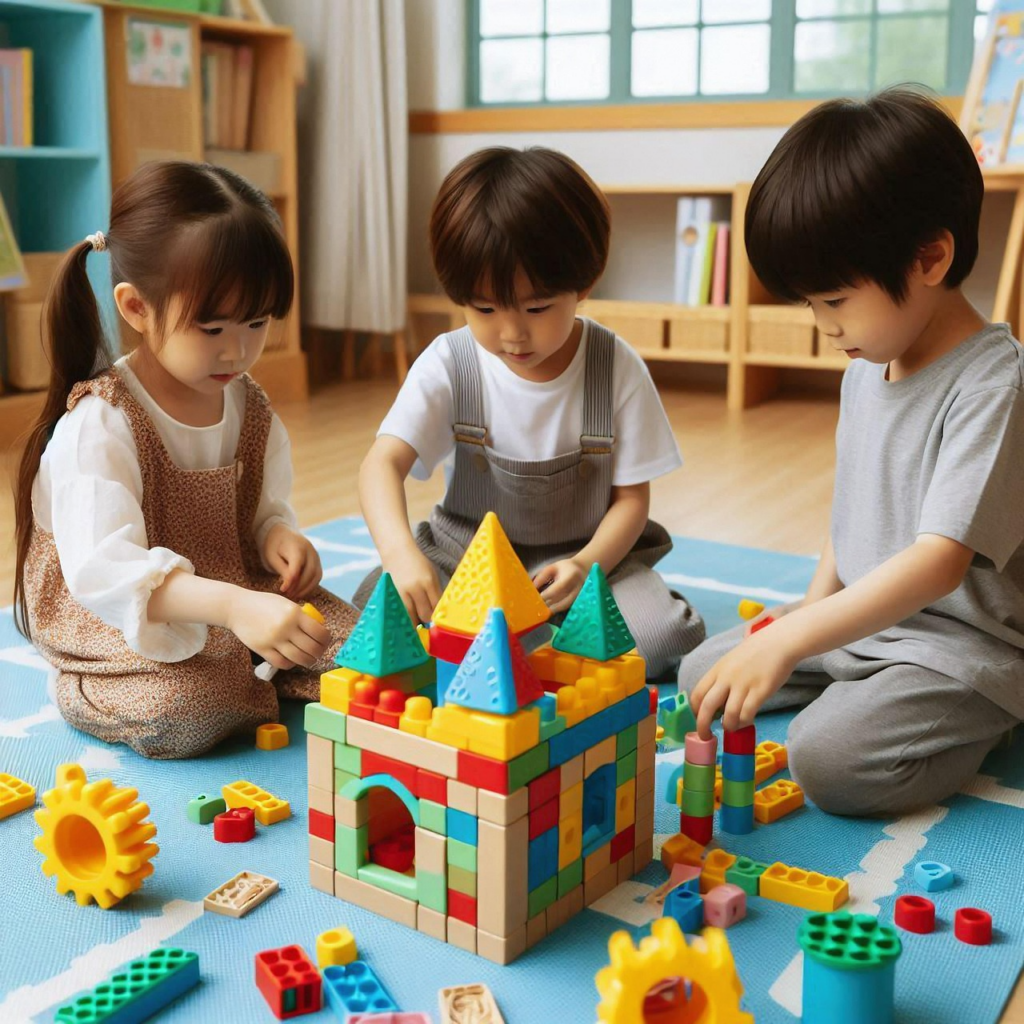
Daycare centers focus mainly on childcare and emotional stability.
Children spend time playing, resting, eating meals together, and developing basic social skills in a comfortable environment.
Daycare centers usually offer longer operating hours, which makes them a convenient option for working parents.
Because of this, daycare centers are often described as a place that feels like a “home away from home.”
Kindergarten (유치원 / Yuchiwon)

Focus: Early childhood education
Target Age: 3 to 5 years old (international age)
Governing Body: Ministry of Education
Kindergartens focus more on structured early education and preparing children for elementary school.
Children participate in activities such as basic literacy, art, music, group learning, and social development programs.
The schedule is often closer to a school structure, meaning that classes may end earlier than daycare programs. However, many kindergartens also offer after-school programs for families who need extended care.
Because of their structured curriculum, kindergartens are often described as a “mini school” that helps children prepare for formal education.
6. Korean Preschool Age Chart
Because Korea uses birth year to determine school groups, it can sometimes be confusing to understand which age group a child belongs to.
The chart below provides a simple example.
Example: Child born in November 2022
In 2025, the child’s ages would look like this:
| International Age | Typical School Stage in Korea |
|---|---|
| 0 (2022) | Home / Infant Care |
| 1 (2023) | Daycare (어린이집) |
| 2 (2024) | Daycare (어린이집) |
| 3 (2025) | Kindergarten begins (유치원) |
| 4 (2026) | Kindergarten |
| 5 (2027) | Kindergarten |
| 6 (2028) | Elementary School Entry (초등학교) |
Because all children born in the same year enter school together, children born early in the year may be almost one year older than classmates born near the end of the year.
This birth-year grouping system is one of the key characteristics of the Korean education system.
7. Simple Summary
Understanding preschool age in Korea becomes much easier once you remember these three key points.
First, Korea previously used a unique Korean age system, but since 2023 the country has officially adopted the international age system for legal and administrative purposes.
Second, the education system does not use birthdays to determine school grade. Instead, it groups children based on their birth year.
Third, before entering elementary school, most Korean children attend either daycare (어린이집) or kindergarten (유치원), which focus on childcare and early education respectively.
Once you understand these three concepts — international age, birth-year school groups, and the preschool system — the structure of early childhood education in Korea becomes much clearer.