I Don’t Want to Look Younger. I Just Don’t Want to Look Tired.
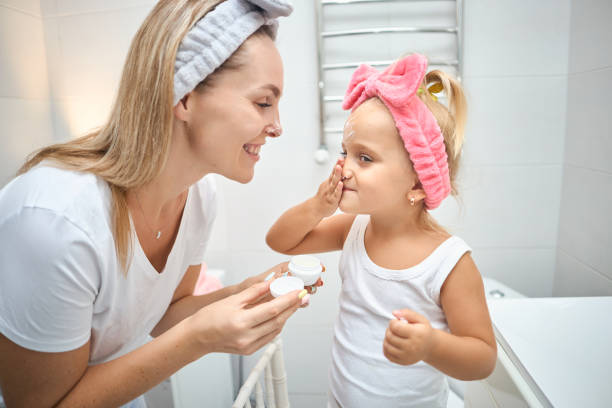
Before having kids, skincare meant simple things to me.
A sheet mask once in a while.
Moisturizer.
Trying to sleep early when possible.
That was enough.
But after having two children, something changed.
These days, it’s not really about wanting to look prettier.
It’s more about not wanting to suddenly look older.
And I think a lot of Korean moms quietly feel the same way.
One thing I started noticing in my 30s was how dramatically people can change in just a few years.
Sometimes I would meet someone I hadn’t seen in a long time and feel genuinely surprised.
Not because they “aged badly,” but because they looked exhausted in a way that felt deeper than simple tiredness.
And often, when I heard their story, it was similar:
pregnancy, childbirth, years of childcare, lack of sleep, and almost no time left for themselves.
That honestly made me sad.
At some point, I even told one of my close friends:
“If I ever suddenly start looking really worn out or older… please tell me honestly.”
We meet about once every few months, so I figured she would notice changes better than I would.
We laughed when I said it.
But I also meant it.
In Korea, lifting treatments and skin-tightening procedures have become incredibly common.
At first, I didn’t really understand why.
But recently, I’ve started to understand it a little more.
For many women, especially mothers, it’s not always about trying to become more beautiful.
Sometimes it’s simply about wanting to look less exhausted.
Less depleted.
More like yourself again.
And that’s what led me down the rabbit hole of Korean lifting treatments.
The Different Types of Lifting Treatments in Korea
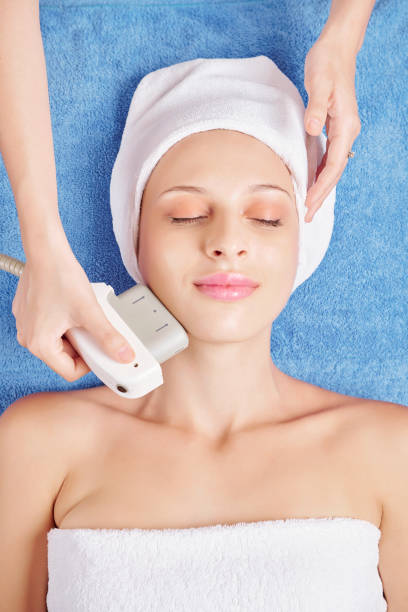
At first, I thought all lifting procedures were basically the same.
But after researching them, I realized they all target slightly different concerns.
Some focus more on tightening.
Some target facial fat and jawlines.
Others are more about skin texture and elasticity.
Here are the ones I kept seeing over and over in Korea.
Shurink — The “Maintenance” Treatment
Shurink is one of the most common entry-level lifting treatments in Korea.
It uses HIFU (high-intensity focused ultrasound) technology to stimulate deeper layers of the skin.
People often get it for:
- jawline definition
- mild sagging
- double chin concerns
- preventative anti-aging care
Compared to stronger treatments like Ultherapy, it’s generally considered more affordable and easier to tolerate.
A lot of people describe the results as subtle and natural rather than dramatic.
InMode — The “Did You Lose Weight?” Treatment
InMode feels slightly different from the others because it’s often associated with facial contouring.
A lot of people get it for:
- lower face fullness
- jawline definition
- cheek fat
- reducing a swollen or heavy facial appearance
Many reviews describe looking more “defined” or “sharper” afterward.
But I also noticed warnings that people with naturally thin faces sometimes feel like they lose too much volume.
Ultherapy — The Serious Lifting Treatment
Ultherapy is probably the treatment I saw mentioned most often when people talked about real lifting effects.
It targets deeper structural layers of the face and is often used for:
- sagging cheeks
- lower face drooping
- jawline laxity
But almost every review also mentions one thing:
pain. ㅋㅋ
People describe it as intense, deep, or even “bone-level” discomfort.
Still, many say it gives the strongest lifting effect out of the non-surgical options.
Thermage — The “Tighter Skin” Treatment
Thermage seems slightly less about lifting and more about skin quality.
People often mention:
- pores
- skin texture
- elasticity
- fine lines
Instead of making the face look dramatically lifted, many say it makes the skin feel firmer, smoother, and more refined overall.
It’s often described as giving a more polished or refreshed appearance.
Beauty, Aging, and Motherhood in Korea
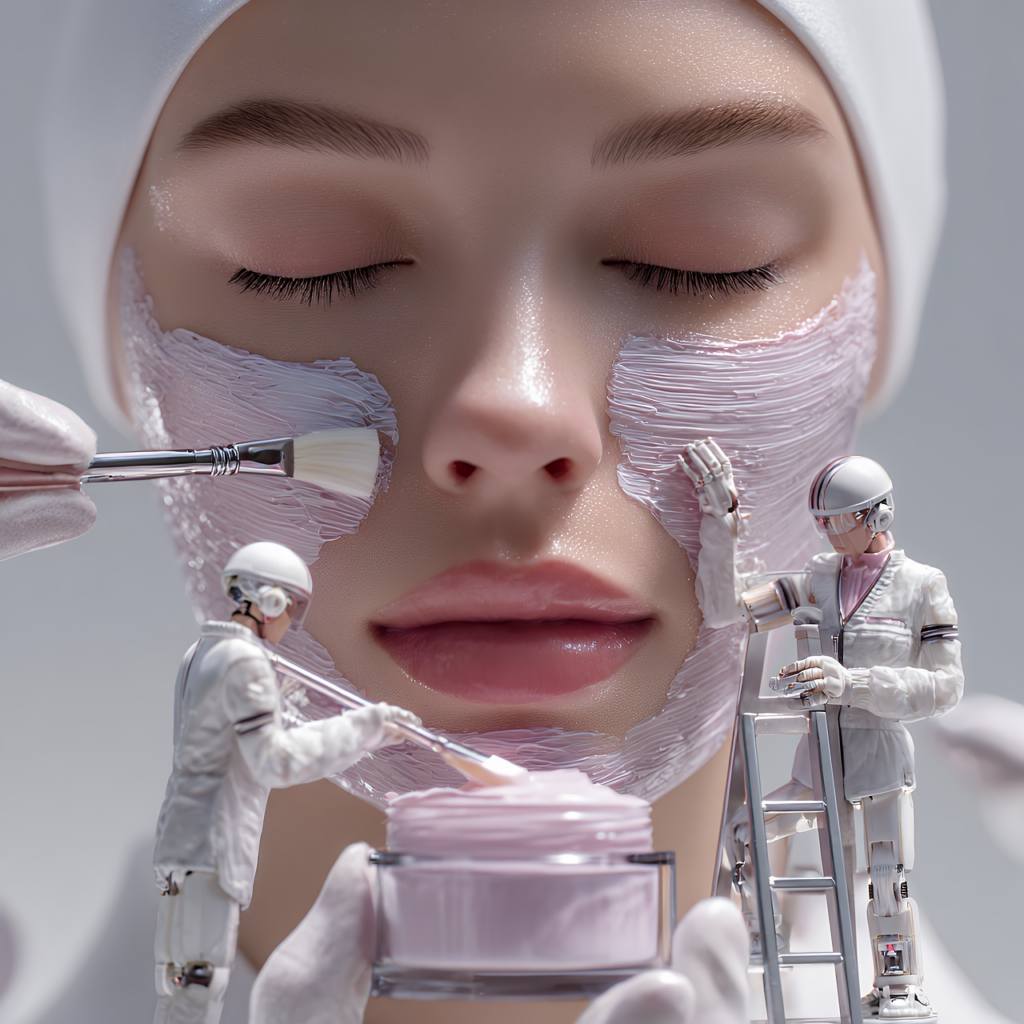
The more I read about these treatments, the more I realized this isn’t only about vanity.
Motherhood changes people physically in ways we don’t talk about enough.
Lack of sleep.
Stress.
Years of putting yourself last.
Sometimes it shows up on your face before you even notice it happening.
And maybe that’s why so many Korean women invest in skincare and lifting treatments.
Not because they desperately want to look younger.
But because they don’t want to disappear inside exhaustion.