Why Korean Parents Are So Focused on English Education, korean english education
If you look into parenting culture in South Korea, one thing becomes obvious very quickly:
Korean parents care a lot about English education.
Some children attend English kindergarten from a young age.
Others go to private English academies after regular kindergarten.
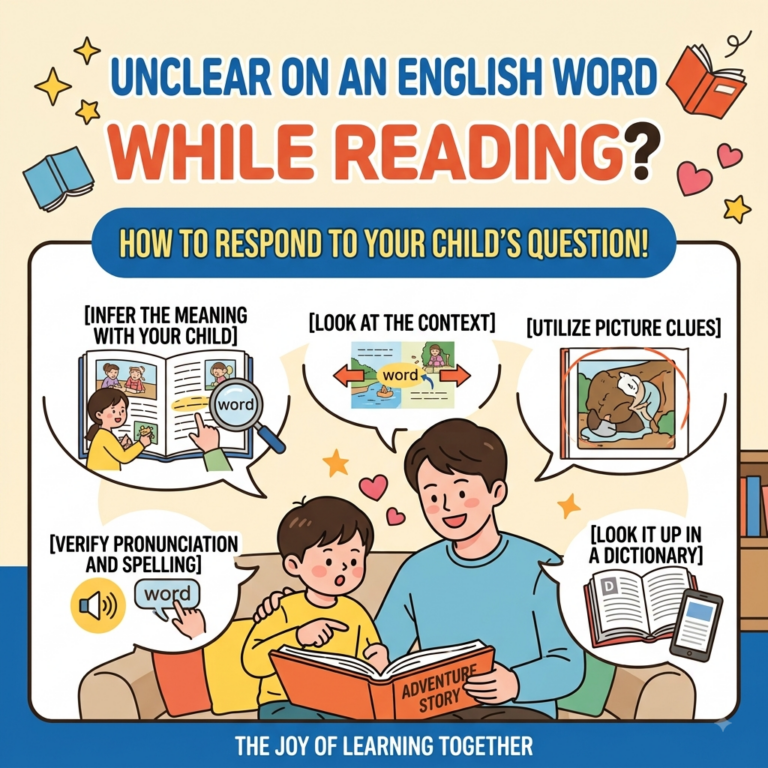
Some families focus on “mom-led English education” at home instead.
The methods are different, but the mindset behind them is often very similar.
As a Korean mom myself, my biggest reason is actually pretty simple:
I do not want English to become something that limits my children later in life.
I hope they can communicate naturally and feel comfortable using English someday — almost like bilingual kids.
Not necessarily perfect native speakers.
Not children memorizing grammar only for exams.
I just hope English feels natural to them instead of stressful.

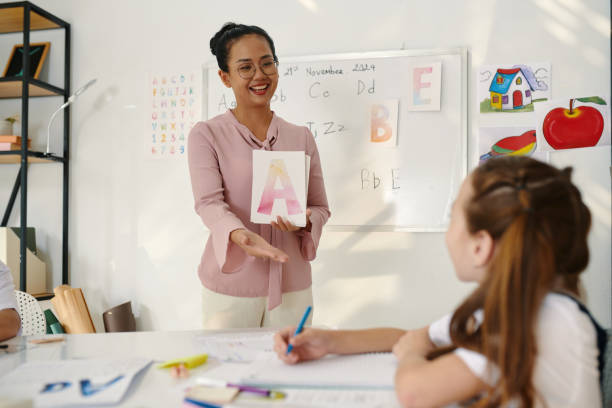
Interestingly, most Korean parents already know that English kindergarten is not some magical shortcut for Korean school exams.
Could it help later? Of course.
But English kindergartens are usually more focused on exposure, speaking, reading, and building familiarity with the language.
And despite what many people outside Korea assume, sending children to English kindergarten does not always mean the family plans to immigrate overseas.
Some families do eventually continue through international schools or overseas education routes.
But many parents simply want their children to feel confident in a world where English is everywhere.
That is the key point.
In Korea, English is often seen less as a school subject and more as a life skill connected to future opportunities.
The Generation That Grew Up With English Pressure

I think that mindset is also deeply connected to the generation of parents currently raising young children in Korea.
Most of us are in our 30s and 40s.
And for our generation, English was always treated as extremely important.
When we were students, the English section of the Korean college entrance exam carried huge weight.
English ability was often connected to good universities, better jobs, overseas opportunities, and even social status.
During the 1990s and 2000s, Korea also experienced huge trends involving:
- early study abroad programs
- overseas immigration
- English camps
- native-speaker-focused education
- international schools
Some families even sent young children overseas alone for education.
For our generation, all of this was everywhere.
We grew up constantly hearing things like:
“English is essential for the future.”
“Start earlier.”
“The younger, the better.”
So I think many Korean parents today are shaped by those experiences — both directly and indirectly.
Some parents personally struggled with English growing up.
Others remember feeling intimidated around fluent English speakers.
Some feel they missed opportunities because of language barriers.
And maybe that is why so many parents now focus heavily on “English exposure” from such an early age.
Not necessarily because they expect their child to become a genius.
But because they hope English can become something natural instead of stressful.
Of course, cost becomes a huge issue.
English kindergarten tuition in Korea can vary enormously depending on the program and location.
For many families, it feels financially overwhelming.
I wrote more about the actual costs of English kindergartens in Korea in another post, because the price differences can honestly be shocking.
Why Many Korean Parents Start Early
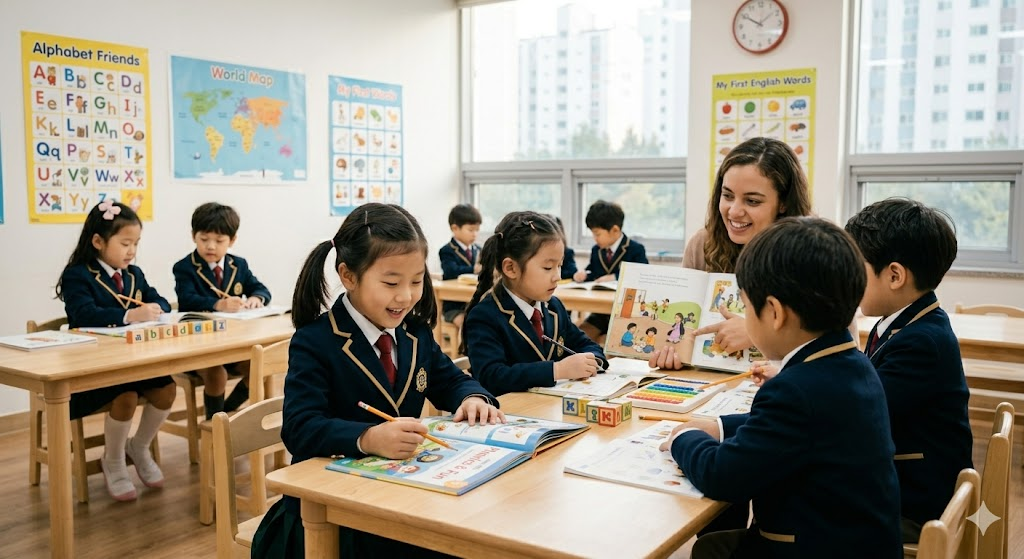
English kindergarten tuition in Korea can vary enormously depending on the program and location.
For many families, it feels financially overwhelming.
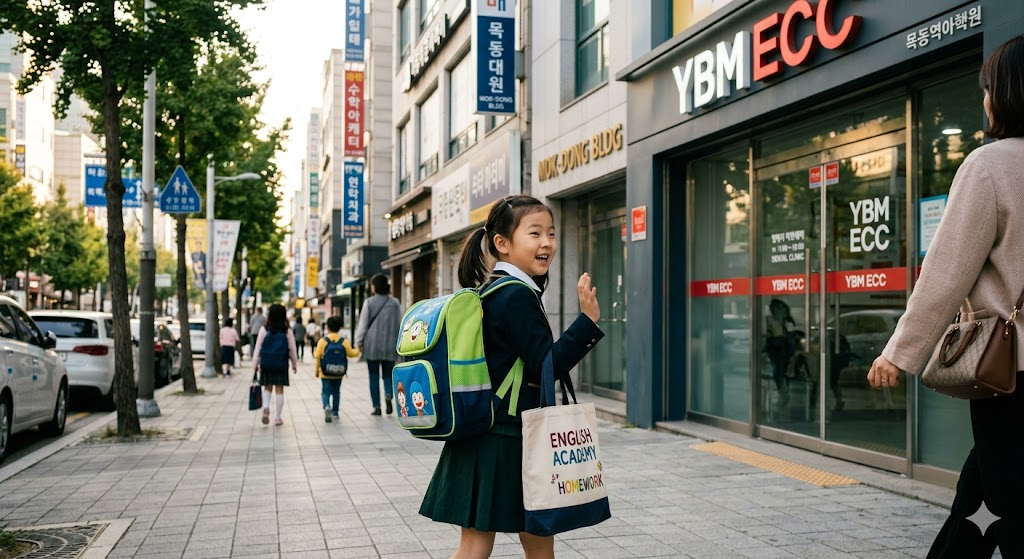
Because of that, parents who decide against English kindergarten often still send their children to private English academies instead.
Usually starting around age 5.
Some children attend twice a week.
Others go almost every day after kindergarten.
And that is only part of the story.
In Korea, “mom-led education” — known as 엄마표 교육 — is also extremely popular.
Many parents begin exposing children to English very early, sometimes even during infancy.
Some even joke that it starts before birth with prenatal education. 😂
English nursery rhymes, English picture books, phonics videos, read-aloud time, online reading libraries — these are all incredibly common in Korean parenting culture.
At that stage, the goal is not academic performance yet.
Parents mainly want English to feel familiar and comfortable instead of foreign and difficult later on.
The private education costs can also be surprisingly high.
Even regular English academy classes may cost around 150,000 KRW or more per month for only one or two weekly classes.
And often, tuition is not the only expense.
There may also be:
- shuttle bus fees
- material fees
- activity fees
- snack fees
Depending on the academy, the total monthly cost can increase quickly.
English kindergarten programs and after-school classes can cost far more.
That is one reason education expenses are such a huge topic among Korean parents.
From outside Korea, all of this may look extreme.
And honestly, sometimes even Korean parents feel overwhelmed by it.
But for many families, it comes from a mixture of anxiety, opportunity, social pressure, and genuine hope for their children’s future.
At the end of the day, I think many Korean parents share one simple thought:
“We just do not want English to hold our children back someday.”