Havruta at Home: Learning Through Questions
When I first heard about Havruta, it sounded like something very academic or even intimidating.
A special educational method. A discussion-based system. Maybe something only certain families practiced intentionally.
But the more I learned about it, the more familiar it felt.
Because many parents are already doing pieces of it without realizing.
We ask:
“What did you do today?”
“Was it fun?”
“Why do you think that happened?”
“How was your friend feeling?”
The heart of Havruta is not necessarily having the perfect question or the smartest answer.
It is creating space for children to think and respond.
And sometimes, that space begins with ordinary conversation.
New to Havruta? You can start with our introduction to Havruta and question-based learning.
Maybe We Are Already Doing It
One thing I have noticed is that conversations with children do not always unfold the way adults expect.
When I ask directly about personal experiences or feelings, the answers are often short.
Sometimes I wonder whether it is still a matter of vocabulary, or simply that expressing thoughts takes time.
Children may have feelings and ideas, but turning them into words is another skill entirely.
That is why I noticed something interesting.
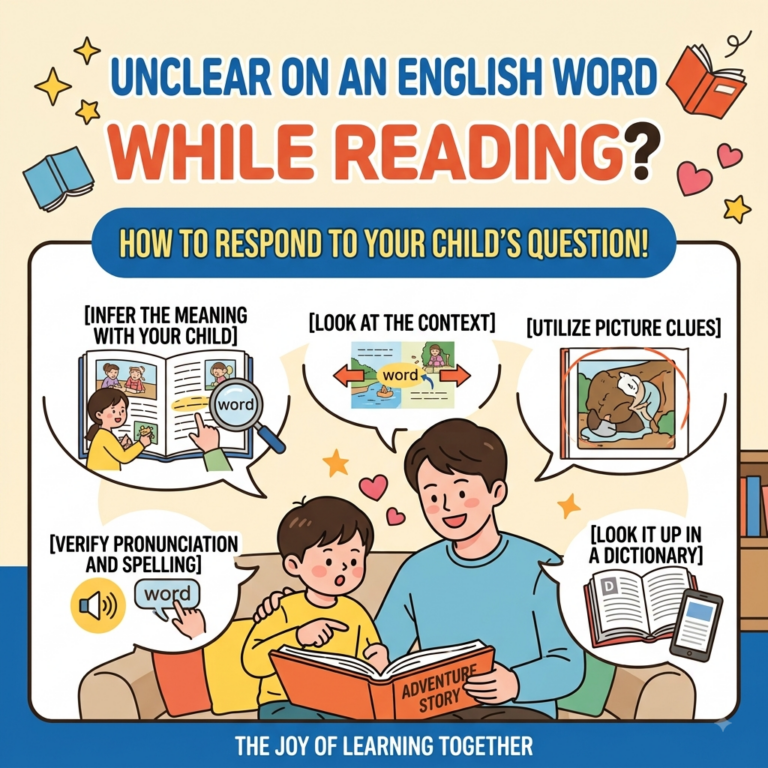
Books often open the door more easily.
Why Books Sometimes Work Better
When we read together and talk about a story afterward, the conversation tends to continue more naturally.
Perhaps it feels safer.
Instead of talking directly about themselves, children can first talk about a character.
“What do you think he felt?”
“Why did she do that?”
“What would you have done?”
And somehow, those questions often circle back to their own thoughts and experiences.
I started realizing that books are not only for reading.
Sometimes, they become bridges for conversation.
Conversations on the Road
Realistically, parenting does not always happen in calm and perfectly prepared moments.
We are often moving between schedules, meals, errands, and routines.
That is why I often try to talk with my children in the car.
It may sound funny, but car conversations work surprisingly well.
They are buckled in, I am focused, and there are fewer distractions competing for attention.
We do not even need to make direct eye contact.
Sometimes those short drives become our most thoughtful conversations.
Not every talk is deep or meaningful, of course.
But the quiet space helps.
Questions That Open, Not Close
Not all questions lead to the same kind of conversation.
Some questions invite quick answers.
“Did you finish?”
“Was school fun?”
Others leave room for thinking.
“What do you remember most?”
“Why do you think that happened?”
“What surprised you?”
The difference may seem small, but the feeling is different.
One asks for information.
The other invites reflection.
Sibling Conversations: Loud, Messy, and Still Learning
One place where conversation happens constantly in our home is between siblings.
To be honest, as a parent, it can be exhausting.
Many conversations seem to end in disagreement or conflict.
But I have started seeing those moments differently.
They are negotiating. Explaining. Defending. Reacting. Learning.
It may not look peaceful, but it is still communication.
I usually try not to share my own opinion too quickly.
Partly because I want to understand what happened, but also because young children often follow adult opinions very easily.
If I speak first, they may simply agree instead of exploring what they actually think.
So I try to wait.
Not perfectly. Not every time.
But enough to hear their voices before mine.
When I Do Not Get It Right
Of course, I do not always respond this way.
Today reminded me of that.
After a day of water play, we were leaving in hot and humid weather. I was tired, uncomfortable, and honestly in a hurry.
My oldest was not following my directions the way I expected.
And I became impatient.
Looking back, it probably was not something worth raising my voice over.
He most likely had his own thoughts and reasons in that moment too.
Parenting sometimes feels like two people moving at different speeds.
The adult is already thinking about the next task, while the child is still fully inside the present moment.
I still believe conversation matters.
I still believe listening matters.
But I am also learning that this is not about becoming a perfectly patient parent.
Perhaps Havruta at home is not a perfect questioning method after all.
Maybe it is simply a habit of pausing, listening, and wondering together.
And sometimes, trying again tomorrow.