Is Buddha’s Birthday Only a Holiday in Korea? How Vesak Is Celebrated Around the World
Buddha’s birthday in Korea
Every spring, colorful lanterns begin appearing across Korea.
Temples become busier, families visit together, and Buddha’s Birthday is observed as a national holiday. For many visitors and foreigners living in Korea, it can be surprising to learn that businesses and schools may close for the day.
But Korea is not the only country that celebrates Buddha’s Birthday.
Across Asia, many countries observe the holiday under different names and traditions. In some places it is called Vesak, Wesak, or Buddha Purnima. While the meaning is connected to Buddhism, the atmosphere and customs vary widely from country to country.
Is Buddha’s Birthday Celebrated Outside Korea?
Yes.
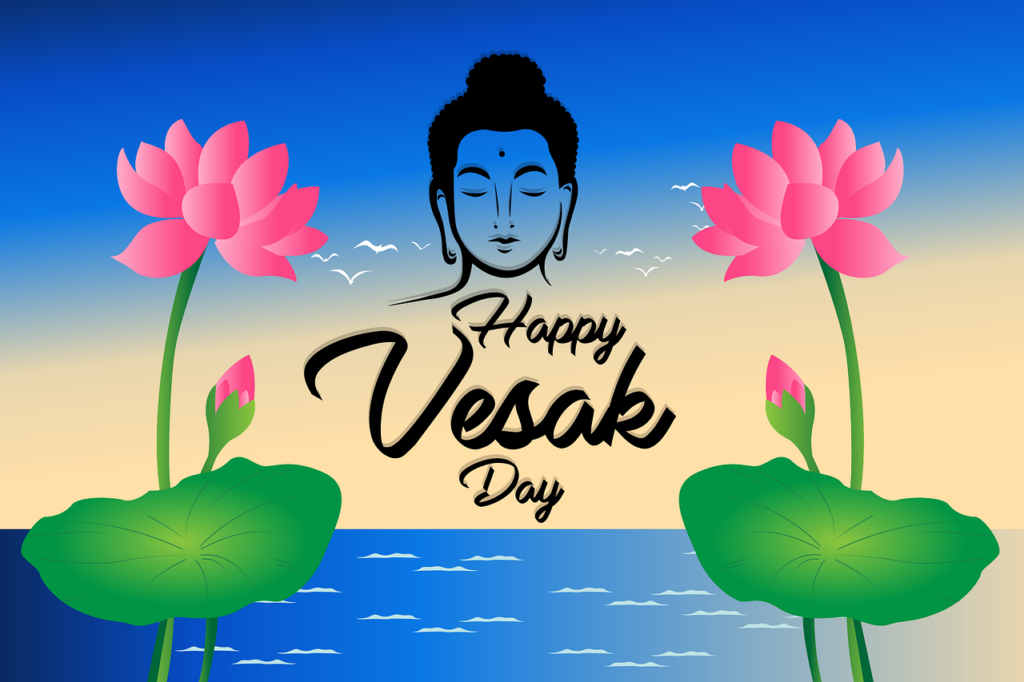
Several Asian countries recognize Buddha-related holidays, and some treat them as public holidays.
Examples include:
- South Korea – Buddha’s Birthday
- Thailand – Visakha Bucha Day
- Singapore – Vesak Day
- Sri Lanka – Vesak
- Malaysia – Wesak Day
- India – Buddha Purnima
- Nepal – Buddha Jayanti
- Indonesia – Waisak
The meaning is also slightly different depending on the country.
In Korea, the day is commonly associated with the birth of Buddha. In many Southeast Asian countries, however, Vesak commemorates three important events together: Buddha’s birth, enlightenment, and passing into Nirvana.
Why Are the Dates Different?
One interesting detail is that Buddha’s Birthday is not celebrated on exactly the same day worldwide.
Most Buddhist traditions follow lunar calendars or full moon calculations rather than a fixed solar calendar date.
Because of this, celebrations usually take place between April and May, but the exact day varies.
For example, Korea traditionally follows the lunar calendar and celebrates on the eighth day of the fourth lunar month. Other countries such as Thailand or Sri Lanka often observe Vesak on the full moon day in May.
Japan is another exception, celebrating Buddha’s Birthday on April 8 using the solar calendar.
This means that even though many countries celebrate the same occasion, the dates may not match.
What Happens at Temples on Buddha’s Birthday?
Many people outside Korea associate the holiday mainly with lanterns, but temples usually hold a variety of ceremonies and cultural events.
Programs differ by temple, but common activities include:
- Buddhist services and birthday ceremonies
- Chanting of Buddhist scriptures
- Dharma talks by monks
- Traditional Buddhist music and ritual performances
- Lantern hanging and prayer offerings
- Free meals or temple food shared with visitors
- Cultural activities and family programs
The chanting that visitors sometimes hear is called sutra chanting or scripture recitation. Monks and participants read or sing Buddhist texts together as part of the ceremony.
Traditional Korean Buddhist ritual music, known as Beompae, may also be performed at larger temples. Rather than entertainment music, it is part of religious practice and ceremony.
Do Only Buddhists Visit Temples?
Not necessarily.
In Korea, Buddha’s Birthday is both a religious holiday and a cultural event.
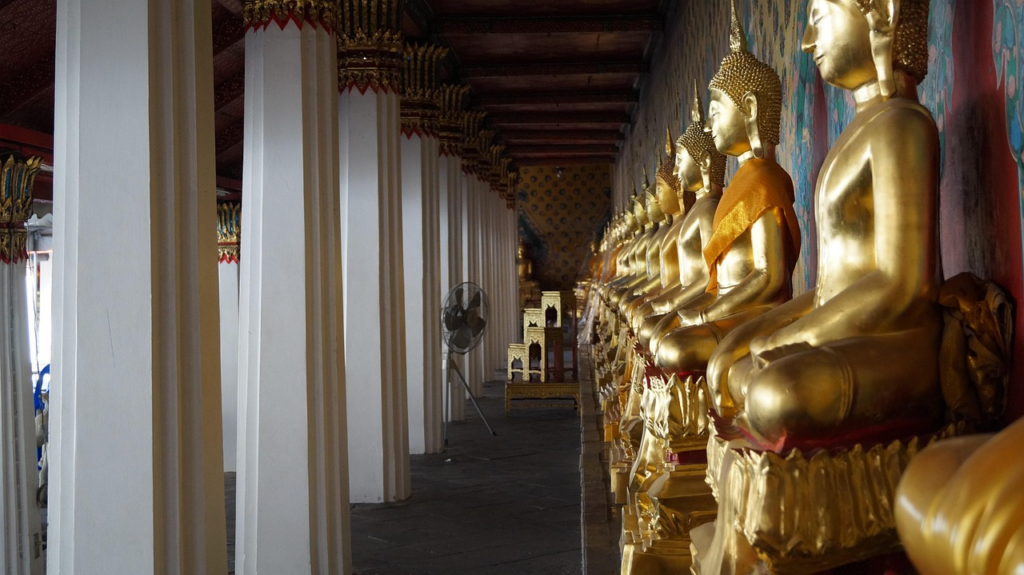
Some people visit temples for prayer or religious reasons, while others go to see lantern displays, enjoy the peaceful atmosphere, or spend time with family.
It is also common for families with children to visit temples during the holiday. Some temples offer cultural programs, performances, or free food that attract local visitors regardless of religion.
This is one reason Buddha’s Birthday in Korea can feel different from purely religious observances elsewhere.
Korea’s Lantern Tradition
Among Korea’s Buddha’s Birthday traditions, lantern culture is often the most recognizable.
Colorful lanterns fill temple grounds and city streets, creating a distinctly seasonal atmosphere.
If you are curious about Korea’s lantern festival and street celebrations, I wrote about the annual Lantern Festival and its atmosphere here.
While many countries celebrate Vesak, Korea’s large-scale lantern displays and public participation make the holiday especially visible.
Same Holiday, Different Traditions
Buddha’s Birthday may share common roots across Asia, but the way people observe it is far from identical.
Some countries emphasize meditation and religious ceremony. Others focus on community gatherings or public celebrations.
Korea stands somewhere in between — a religious holiday, a cultural tradition, and for many families, a day to visit temples and welcome spring.