Preschool behavior issues
Recently, I had a chance to sit down for a parent-teacher meeting regarding my child.
It wasn’t something I expected, and to be honest, it left me with a lot to think about.
As a parent, moments like this can feel overwhelming.
But instead of staying in that emotional space, I found myself wondering:
How do other countries handle situations like this?

Do they approach it the same way?
Or is there a completely different system in place?
How Preschools in Korea Typically Handle These Situations
In Korea, communication between teachers and parents is often quick and direct.
When an issue arises:
- Parents are usually contacted soon after
- A meeting is arranged to explain the situation
- The focus is often on resolving the issue quickly and maintaining harmony
There is a strong emphasis on:
- Apologies
- Restoring relationships
- Preventing further conflict
This approach can feel efficient and emotionally considerate.
However, it may sometimes rely more on immediate resolution than long-term behavioral analysis.
How Western Countries Approach Behavioral Issues
In contrast, many Western countries—especially the United States and parts of Europe—tend to follow a more structured system.
In the United States
When a behavioral issue occurs:
- Teachers often document the incident in detail
- Parents may receive an official “incident report”
- Patterns of behavior are tracked over time
If the behavior continues:
- A Behavior Intervention Plan (BIP) may be created
- Teachers and parents work together with clear, consistent strategies
The focus here is:
- Data and patterns
- Understanding the cause of behavior
- Long-term improvement
In the UK and Parts of Europe
There is also a strong emphasis on something called “safeguarding.”
This means:
- Every child’s physical and emotional safety is taken seriously
- Even peer conflicts are carefully observed
- Repeated issues may involve multiple adults, including specialists
The goal is not just to stop the behavior, but to:
- Prevent recurrence
- Support all children involved
The Key Difference
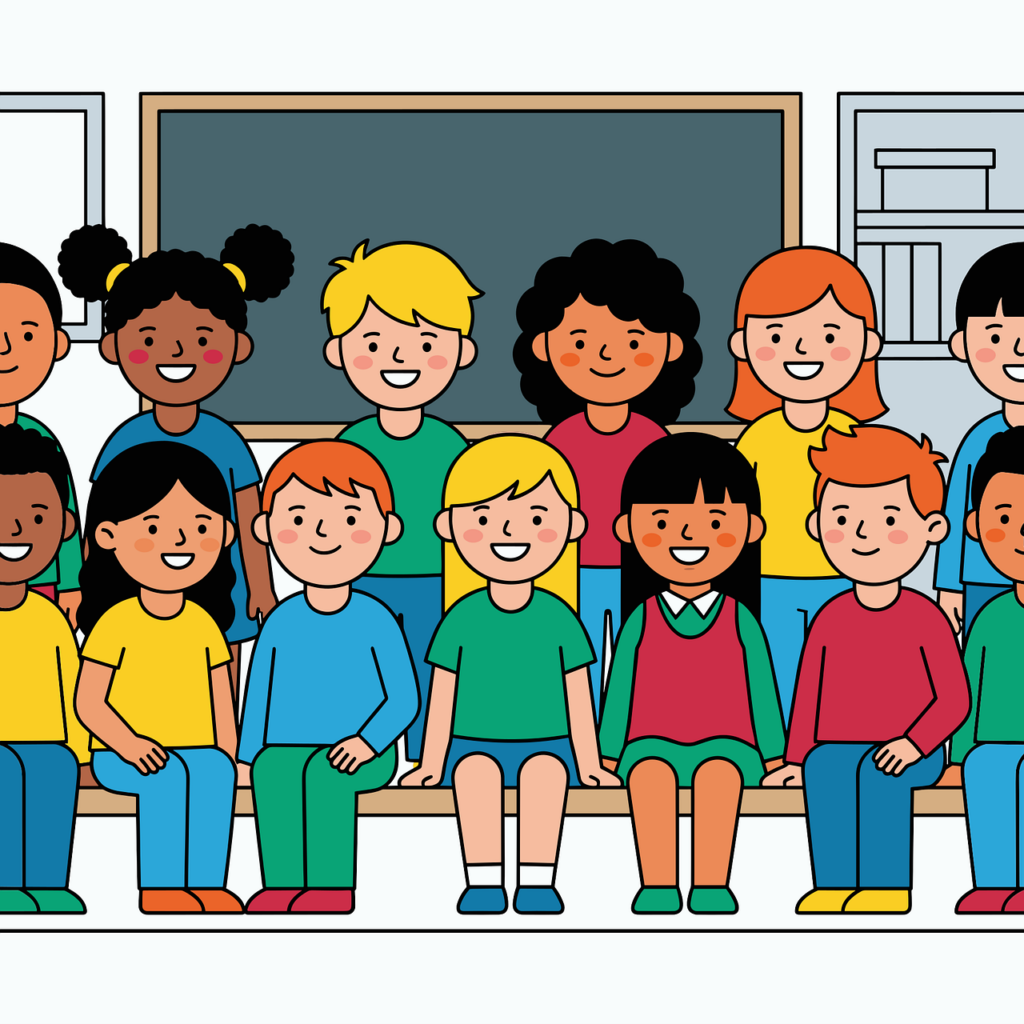
The biggest difference I noticed is this:
- Korea focuses on quick resolution and relationship repair
- Western systems focus on documentation, analysis, and prevention
Neither approach is perfect.
Each reflects different cultural priorities.
What Parents Can Do in Any Situation
Regardless of where you live, there are a few things that truly matter:
- Stay calm and gather accurate information
- Separate your child from their behavior
- Set clear and consistent boundaries at home
- Work collaboratively with teachers
Most importantly, remember:
Children are still learning.
Moments like these are not just problems—they are opportunities to teach.
A Personal Reflection
This experience reminded me that parenting is not about avoiding difficult situations.
It’s about how we respond to them.
Sometimes, the hardest moments are the ones that help both the child—and the parent—grow the most.
Final Thoughts
Behavioral challenges in early childhood are more common than we think.
What truly matters is not perfection,
but guidance, consistency, and willingness to grow together.
Korean Summary (한국어 요약)
유치원에서 아이의 행동 문제로 상담을 하게 되면서,
한국과 해외의 대응 방식이 어떻게 다른지 궁금해졌습니다.
한국은 비교적 빠른 문제 해결과 관계 회복에 초점을 두는 반면,
미국과 유럽은 사건 기록과 행동 분석, 재발 방지에 더 집중하는 경향이 있습니다.
어떤 방식이 더 좋다고 단정할 수는 없지만,
중요한 것은 부모가 감정적으로 반응하기보다
아이의 행동을 이해하고, 올바른 방향으로 지도하는 것입니다.
아이의 사회성은 이런 경험을 통해 만들어진다고 생각합니다.