Why Do Korean Kids Start School So Early?
Many foreign parents are surprised to learn that Korean children often start daycare or preschool at a very young age.
In many countries, children begin formal education around age five or six. However, in South Korea, it is common to see children attending daycare, kindergarten, or preschool much earlier.
So why do Korean kids start school so early?
There are several cultural and social reasons behind this.
1. The Rise of Dual-Income Families
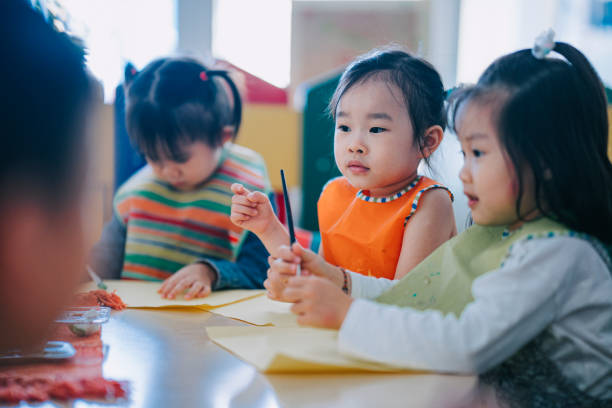
One of the most practical reasons is the increase in dual-income households.
In South Korea, many parents work full-time. Because of this, families often need reliable childcare during the day.
As a result, many children begin attending:
- daycare centers
- preschools
- kindergartens
from around ages 1 to 5.
In large cities especially, this has become a very common part of family life.
For many parents, early childcare is simply a practical solution while both parents are working.
Many working parents also rely on practical tools to manage daily routines with young children.
When both parents are busy, having a hands-free option can make a big difference — especially during drop-offs, pick-ups, or busy mornings.
👉 I shared what worked best for me here:
2. Education Is Highly Valued in Korean Culture
Another important factor is the strong cultural emphasis on education.
Education has long been considered one of the most important values in Korean society. Historically, this mindset was influenced by Confucian traditions, which place a high value on learning, discipline, and academic achievement.
Because of this cultural background, many parents feel that exposing children to learning environments early can help them develop important skills.
This does not always mean intense studying, but rather giving children opportunities to learn, socialize, and explore new experiences.
3. Concerns About Falling Behind
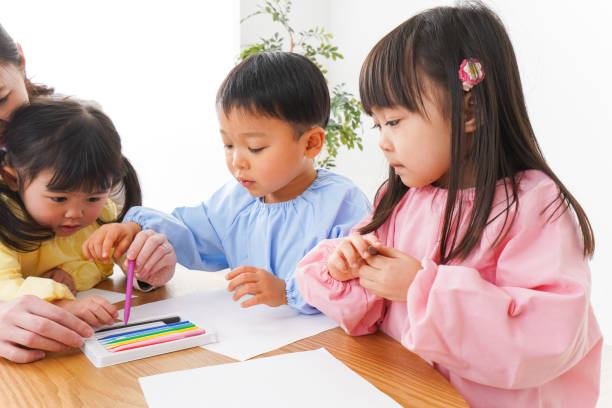
Some Korean parents also worry that starting later could put their child at a disadvantage.
You may sometimes hear parents asking questions like:
“If my child starts later than others, will they fall behind?”
Because of this concern, some families choose to enroll their children in programs such as:
- English kindergartens
- learning-focused preschools
- play schools
These programs aim to help children develop language, social, or learning skills from an early age.
4. Korea’s Strong Private Education Culture
South Korea is also known for its strong private education culture.
Many children participate in after-school academies known as hagwon.
Even at a young age, some children may attend classes such as:
- English
- math
- art or music
This can make Korean children appear very busy compared to children in other countries.
However, it is important to remember that not every child follows the same path.
Different Parenting Choices in Modern Korea
When people hear about Korean education, they sometimes imagine that all children spend most of their time studying.
In reality, parenting styles in Korea are becoming more diverse.
Many kindergartens focus on:
- play-based learning
- outdoor activities
- creativity and social development
Some parents also prefer slower or more child-centered approaches to education.
Just like in many other countries, families choose what they believe is best for their children.
The Influence of Korea’s “Fast-Paced” Culture
Another cultural factor is Korea’s well-known “ppalli-ppalli” (fast-fast) culture.
In many areas of life, things tend to move quickly. People often start school, careers, and major life stages earlier than in some other countries.
This mindset can also influence education.
Some parents feel that starting earlier allows children to gain more experience, adapt to group environments, and develop skills sooner.
What Age Do Korean Kids Actually Start School?
It is important to understand that “starting school early” does not necessarily mean formal academic education.
In Korea, children typically begin:
- Daycare: around age 1–2
- Preschool or kindergarten: around age 3–5
- Elementary school: around age 6–7
So while children may enter childcare programs early, official schooling still begins at a similar age to many other countries.
Final Thoughts
Korean children often start daycare or preschool earlier than children in many Western countries. However, this is influenced by several factors such as working parents, cultural values around education, and social expectations.
At the same time, parenting styles in Korea are evolving, and families today have many different choices when it comes to early childhood education.
Understanding these cultural differences can help foreign parents better understand why Korean kids start school early.
Many parents also look for ways to support their child’s development at home.
Simple activities, play-based learning, and quality time together can be just as important as early education.