1. Introduction
In Korea, there is a special type of preschool called “English Kindergarten.”
Unlike regular kindergartens, most of the daily activities are conducted in English.
For many foreigners, this can be surprising.
Children spend most of their day speaking and listening to English, even though they live in Korea.
Another surprising fact is the cost.
English kindergartens are not cheap.
Despite the high tuition, many Korean parents still choose to send their children there.
So why do Korean parents make this decision?
As a parent raising children in Korea, I wanted to explain the reasons behind this trend.
2. Why Korean Parents Choose English Kindergarten
The biggest reason is early English exposure.
In Korea, English is considered an essential skill.
However, the way English is taught in the public education system is often focused on grammar and test preparation, especially for the college entrance exam.
Many Koreans even call it “exam English.”
Because of this, many students can read and solve grammar questions well but struggle with speaking and natural communication.
Parents who choose English kindergarten often hope their children will learn English more naturally, similar to how they learn their native language.
Young children tend to absorb languages more easily.
Some parents believe that early exposure helps children develop a more natural sense of pronunciation and communication.
3. What is English Kindergarten in Korea?
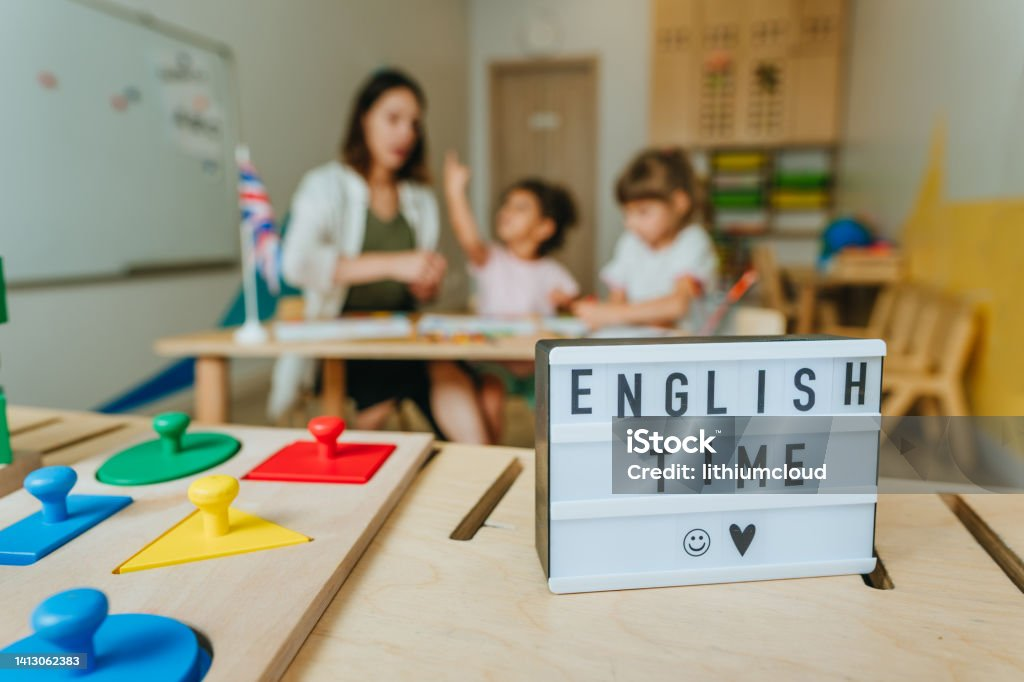
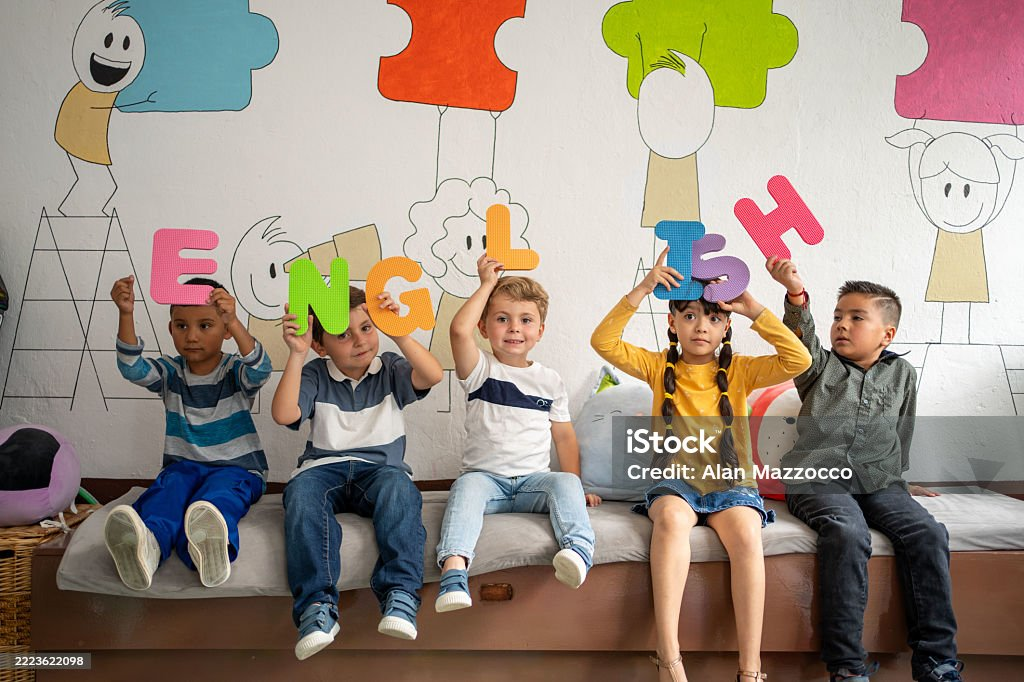
An English kindergarten in Korea is not simply an English class.
It is closer to a language immersion preschool environment.
Children usually attend between the ages of 5 and 7 years old, although some start as early as 4.
In many English kindergartens:
- Most classes are conducted in English
- Native English-speaking teachers work alongside bilingual Korean teachers
- Daily routines such as playtime, meals, and activities are also done in English
At the beginning, bilingual teachers often help children adjust by using both Korean and English.
However, after about a year, many children become comfortable enough to communicate mostly in English during class.
Because children spend many hours listening to English every day, parents believe this environment helps them develop natural language exposure.
4. The Cost of English Kindergarten
One of the biggest concerns for parents is the cost.
In many cities in Korea, the monthly tuition for an English kindergarten typically starts around 1.5 million KRW (about $1,100 USD).
When additional expenses are included, the total can reach 2 million KRW or more per month.
These additional costs often include:
- Meal fees
- School bus transportation
- Afternoon activity programs
- Textbooks and learning materials
The exact cost varies depending on the location and program.
5. Pros and Cons
Like any educational choice, English kindergarten has both advantages and disadvantages.
Advantages
- Natural exposure to English
- Less fear or resistance toward speaking English
- Children may think directly in English rather than translating from Korean
Disadvantages
- Very high cost
- English kindergartens are legally classified as private academies, not official preschools
- Some programs may have limited outdoor or physical activities compared to regular kindergartens
Because of these factors, not every family chooses this option.
6. AI and the Future of Language Learning
Recently, some people argue that learning English may not be as important in the future because artificial intelligence and translation technology are developing very quickly.
With AI tools and real-time translation, communication between different languages is becoming easier than ever.
However, I personally do not fully agree with this idea.
Even though AI can be a very helpful tool, I believe it should remain a support tool rather than something we completely rely on for communication.
Language is not only about translating words.
It is also about understanding culture, emotions, and natural conversations between people.
Because of this, I still believe that learning English directly can be valuable for children.
This is one of the reasons why I decided to send my children to an English kindergarten.
7. My Personal Perspective
After thinking about it for a long time, I also decided to send my children to an English kindergarten.
It has only been a short time since they started attending, but I already noticed something interesting.
Sometimes my kids play a game at home where they pretend to be foreigners and speak in funny “English-like” sounds to each other.
Seeing them treat English like a playful language rather than a stressful subject was quite impressive.
I plan to continue sharing more of our experiences in future posts.

8. Why Some Korean Parents Do NOT Choose English Kindergarten
Not all Korean parents choose English kindergarten.
Some parents prefer regular kindergartens because they believe children should focus more on play, social skills, and emotional development rather than language learning at a young age.
Others feel the cost is too high, especially since English education continues for many years in Korea through private academies and school programs.
There is also an ongoing debate among Korean parents about whether early English education is truly necessary.
Because of this, the decision often depends on each family’s educational philosophy and financial situation.