Podaegi vs Baby Carrier
When you’re preparing for a newborn, one of the first things you’ll look into is a baby carrier.
Most parents today go straight for structured baby carriers. They’re modern, easy to use, and widely recommended.
But there’s also a traditional Korean option called a podaegi — and interestingly, more parents around the world are starting to notice it.
I’ve personally used both while raising two kids, and here’s the honest truth:
There is no perfect answer.
But after actually using them in daily life, the differences become very clear.
Honestly, I didn’t expect to like podaegi at first.
It looked complicated and a bit uncomfartable.
What Is a Podaegi (and Why People Are Talking About It)
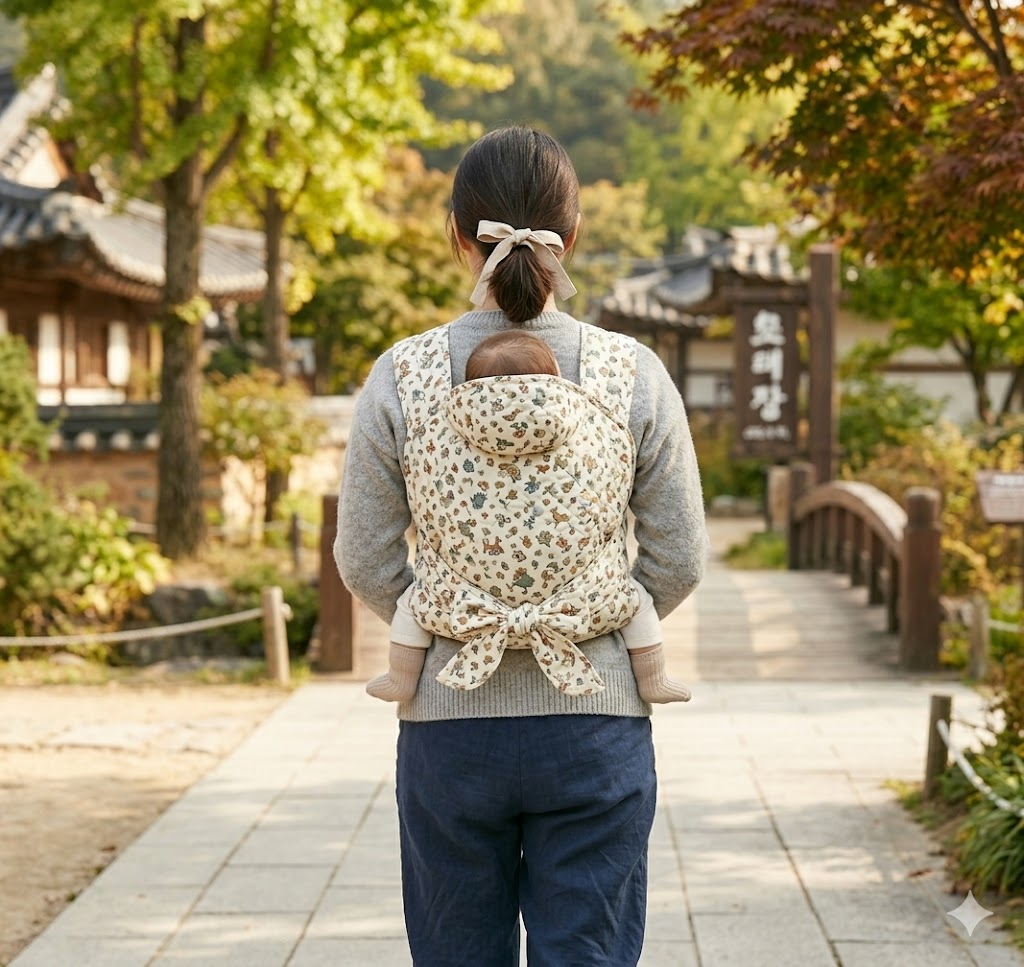
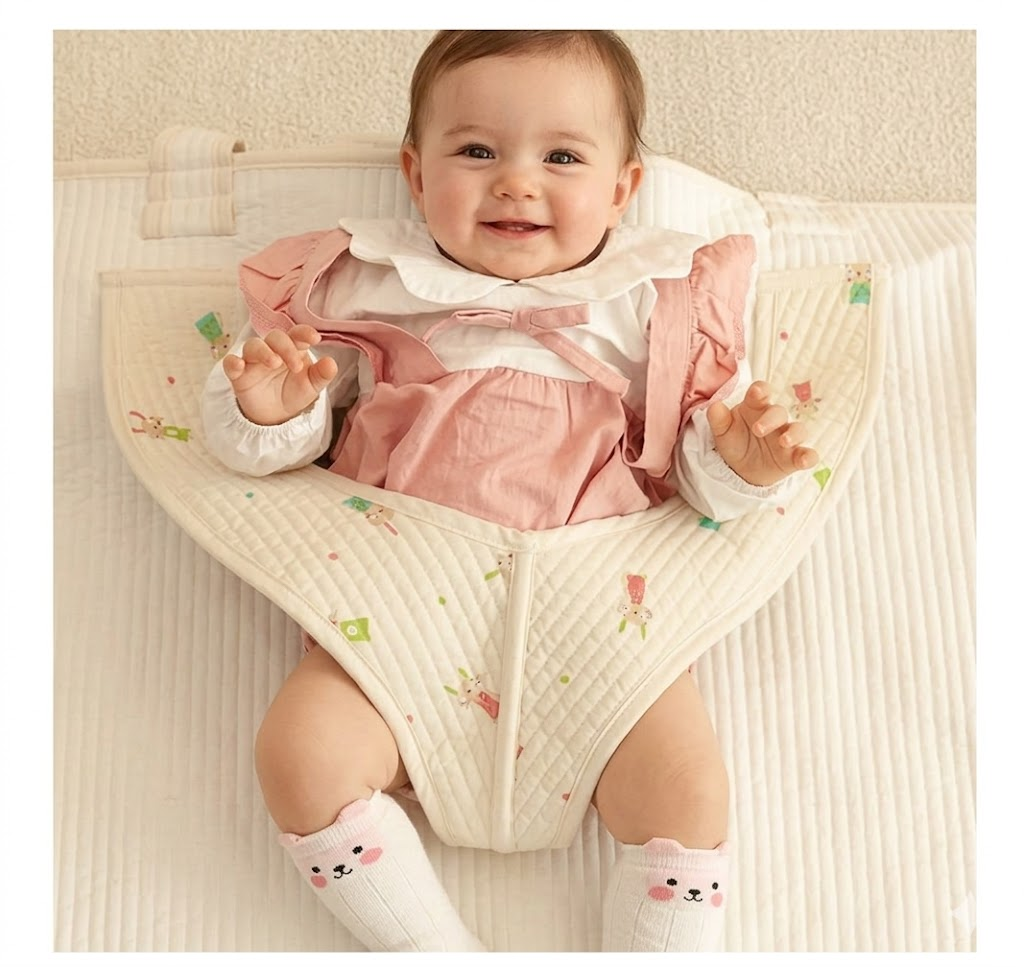
A podaegi is a traditional Korean baby carrier made from a large piece of fabric, almost like a soft blanket.
Instead of buckles or structured frames, you wrap it around your body to secure your baby — usually on your back.
At first glance, it can feel unfamiliar and even intimidating.
But once you learn how to use it, it becomes surprisingly intuitive.
Recently, many parents outside Korea have started showing interest in podaegi because it offers something modern carriers don’t:
👉 A more natural, flexible way to carry your baby
The Biggest Advantage of Podaegi (That No One Talks About Enough)
If I had to point out the biggest difference, it would be this:
👉 Freedom of movement
With a podaegi:
- Your hands are completely free
- There’s nothing bulky in front of your body
- You can bend, sit, and move more naturally
This matters a lot more than you think.
When you’re taking care of a baby all day — especially if you have more than one child — small discomforts become big problems.
Structured carriers always have something in front:
- Waist belts
- Buckles
- Thick padding
And every time you sit down or stand up, you feel it.
With a podaegi, that “blocked” feeling is gone.
Real-Life Situation: When This Difference Matters Most
This became very obvious to me when handling everyday tasks.
For example:
- Doing housework while holding the baby
- Taking care of an older sibling
- Sitting down multiple times during the day
With a structured carrier, I constantly felt restricted.
But when I saw my mom using a podaegi, it looked… easier.
More natural.
That’s when I realized:
👉 Comfort isn’t just about support — it’s about mobility.
Summer vs Winter: The Honest Reality
Let’s not sugarcoat it.
In summer, both podaegi and baby carriers are hot.
There’s no magic solution here.
- Your body heat
- Baby’s body heat
- Constant contact
You will sweat no matter what.
Still, there are slight differences:
- Podaegi → feels warmer because of full fabric wrapping
- Baby carrier → slightly more breathable, but still uncomfortable in heat
Now, winter is where things really change.
Why Podaegi Feels Warmer in Winter
Podaegi naturally creates better insulation.
Here’s why:
- Wind from the back is blocked by your clothing
- Wind from the front is blocked by your body + fabric
So your baby is protected from both directions.
It’s not something you notice right away, but once you experience cold weather with a baby, it makes a huge difference.
👉 In winter, podaegi feels significantly warmer and more secure.
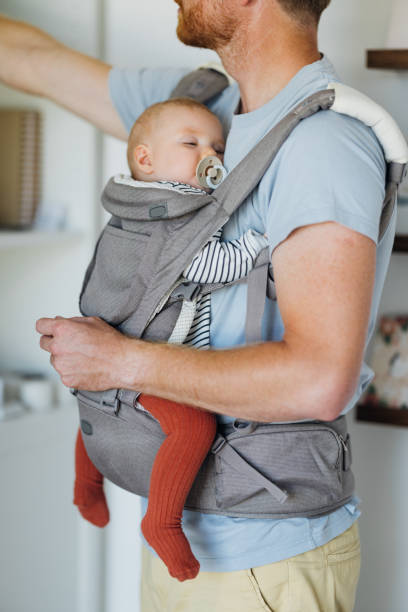
The Downsides of Structured Baby Carriers
I actually used a structured baby carrier more often.
It felt easier at first, and my husband could use it too.
But over time, I started noticing some real downsides:
- Hip pain from the waist belt
- Pressure on the pelvis
- Discomfort when sitting and standing
- Limited flexibility in movement
These issues don’t show up immediately.
But after hours of daily use, they add up.
If you’ve ever felt sore after carrying your baby, you’ll understand this right away.
Why More Parents Are Rediscovering Podaegi
What’s interesting is that podaegi isn’t just a “Korean thing” anymore.
Parents from other countries are starting to:
- Look it up
- Try it out
- Even buy it directly from Korea
Why?
Because once you get past the learning curve, it offers:
- Better body adaptability
- Close physical bonding
- More natural movement
Also, modern versions now include:
- Lightweight summer fabric
- Thicker winter fabric
So it’s no longer outdated — it’s evolving.
What About Hiking Baby Carriers?
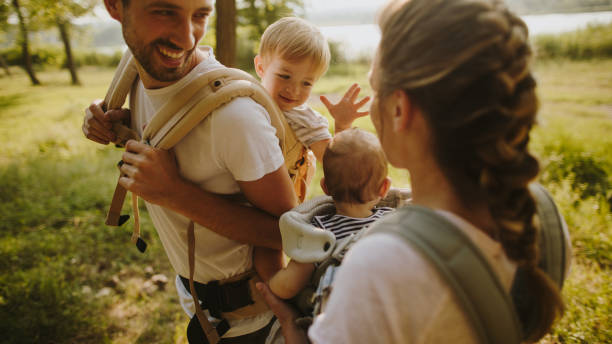
You may have also seen hiking-style baby carriers (frame backpacks).
They’re great for outdoor activities like hiking or travel.
But for everyday parenting?
They’re not very practical.
For daily life, most parents will still choose between:
👉 Podaegi vs structured baby carrier
My Honest Conclusion (After Using Both)
If I’m being completely honest:
I used a structured baby carrier more often.
But if I had to go back and choose again?
👉 I would seriously consider using a podaegi much more.
Especially in situations like:
- Staying at home for long hours
- Managing two kids at once
- Needing full use of both hands
- Going through winter with a newborn
That’s where podaegi really stands out.
Which One Should You Choose?
Here’s a simple way to decide:
- First-time parents → Baby carrier (easier to start)
- Need flexibility → Podaegi
- Cold weather → Podaegi
- Frequent outdoor use → Baby carrier
⭐ Recommended Mei Tai Carriers (If You Want a Simpler Option)
If you find structured baby carriers too bulky or uncomfortable,
a Mei Tai carrier can be a great alternative.
Here are a few options that many moms (including me) find practical and easy to use:
1. Infantino Sash Mei Tai Carrier (Best for Beginners)
This is a great starting point if you’re new to Mei Tai carriers.
It’s simple, affordable, and easy to get used to —
especially if you’re transitioning from a structured carrier.
👉 Check Price on Amazon https://amzn.to/4bIn4OU
2. Babyhawk Mei Tai Carrier (Best for Everyday Use)
If you want something you can use daily,
this is a solid and comfortable option.
It distributes weight well and feels more stable over longer periods.
👉 See Reviews on Amazon https://amzn.to/4rZbXWR
3. Didymos DidyTai (Best for Long-Term Use)
This one is more premium, but worth it if you plan to babywear long-term.
The fabric is strong and supportive,
making it ideal for heavier babies or toddlers.
👉 Get the Best Deal on Amazon https://amzn.to/4sETYG1
If you want to try this style
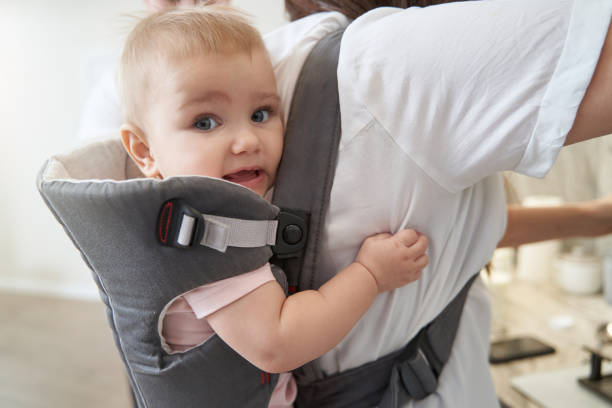
Traditional Korean podaegi can be hard to find outside Korea.
But the good news is — there are very similar options available.
Here are a few types to look for:
👉 Mei Tai carriers (closest to podaegi)
Soft, flexible, and great for back carrying
👉 Hybrid baby carriers
Easier for beginners, but still comfortable
👉 Structured carriers
Good if you prefer convenience and quick setup
You can check some popular options here: Check Price on Amazon
The key is not finding the “perfect” product —
but finding what fits your daily life.
Before You Buy (Important Tip)
If you’re choosing between the two, think about:
- Your daily routine
- Your physical comfort
- Your baby’s temperament
Because the “best” option isn’t universal — it’s personal.
Final Thoughts
Both options have their pros and cons.
But one thing is clear:
👉 Podaegi is underrated.
And if you’re willing to learn how to use it,
it might surprise you.
(This post is based on real-life experience raising two children. Affiliate product recommendations may be added in the future.)
This post may contain affiliate links.
As an Amazon Associate, I earn from qualifying purchases.