What is a Korean Podaegi?
If you’ve ever seen a Korean mom carrying her baby on her back,
you might have wondered what that cloth is.
It’s called a podaegi, a traditional Korean baby carrier.
Unlike most modern carriers where babies face forward,
a podaegi is used for back carrying — what Koreans casually call “eobuba” (piggyback style).
Why do Korean moms carry babies on their back?
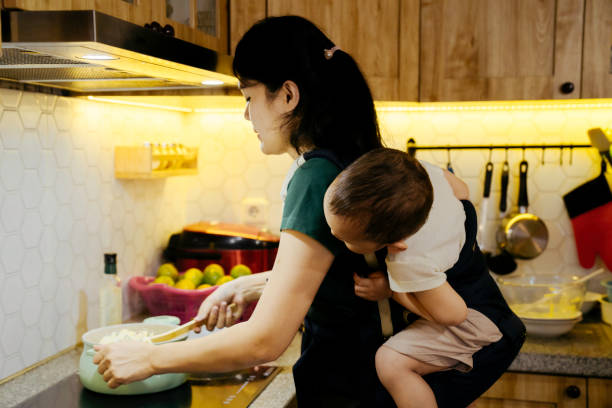
At first, it might seem unusual.
But once you think about it, it actually makes a lot of sense.
When you carry a baby in the front,
your hands might be free, but your movement is still limited.
But when the baby is on your back?
- Your hands are completely free
- You can cook, clean, or do chores
- Your body feels more balanced
That’s why, traditionally, Korean moms preferred back carrying.
A cultural habit passed down generations
In Korea, back carrying isn’t just something moms do.
Older sisters, cousins, even grandmothers —
many people grow up naturally learning how to carry a baby this way.
It’s one of those small cultural habits that just stick.
Why is podaegi becoming popular again?
For a while, podaegi seemed to disappear
as modern baby carriers became more common.
But recently, many parents are rediscovering it.
Why?
Because it’s:
- surprisingly comfortable
- very practical
- and great for calming babies
Even outside Korea, similar styles like Mei Tai carriers
are becoming more popular.
Babies sleep REALLY well in a podaegi
This is something many Korean moms will agree on.
When a baby is wrapped closely on your back,
they feel secure — almost like being in the womb.
And honestly?
They fall asleep really easily.
You can even gently cover the baby’s head with the fabric
to create a cozy, quiet space.
Traditional vs Modern Podaegi
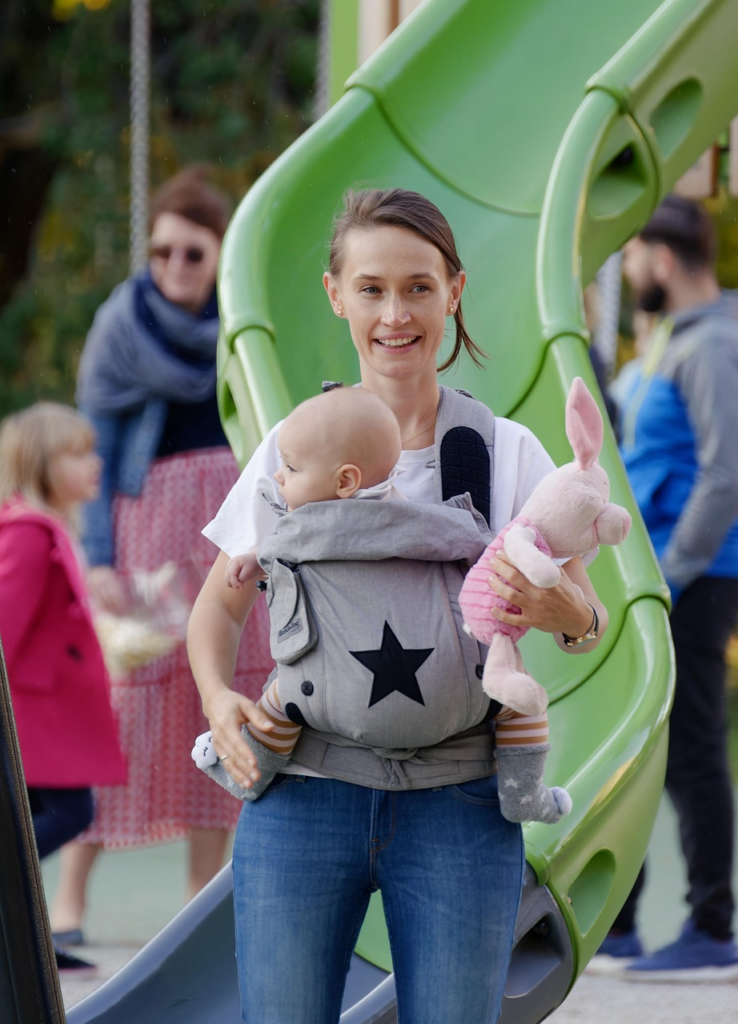
Traditional podaegi was very simple:
- a square piece of fabric
- with two long straps
Modern versions are slightly upgraded:
- extra support for the baby’s legs
- more secure structure
- easier for beginners
(Some even feel like a mix between a wrap and pants!)
👉 Adding a photo comparison here would be perfect.
My personal experience
My first child was often carried by my mom using a podaegi.
And honestly, it worked like magic.
He would fall asleep so quickly,
and stay calm much longer compared to other carriers.
It’s one of those things that looks simple,
but once you try it, you understand why it’s been used for so long.
How to use a podaegi (basic idea)
At first, it might look complicated, but the basic idea is simple.
- Place the baby on your back
- Hold the baby securely with one hand
- Pull the fabric over the baby
- Tie the straps tightly across your chest
It may take a bit of practice at first,
but once you get used to it, it becomes surprisingly easy.
Many Korean moms learn this naturally over time.
Is it safe? (Things to keep in mind)
Safety is important, especially for beginners.
- Make sure the baby’s airway is always clear
- Support the baby’s neck if they are very young
- Keep the baby high enough on your back
Generally, back carrying is easier once the baby has good neck control.
💡 Quick Tip
If you’re just starting out,
I personally recommend going with a simpler option first.
👉 Check Price on Amazon
The key is not finding the “perfect” product —
but finding what fits your daily life.
Podaegi vs modern baby carriers

You might be wondering how it compares to modern carriers.
Podaegi
- More flexible
- Lightweight
- Great for back carrying
Modern carriers (like Ergobaby)
- Easier for beginners
- More structured
- Better for front carrying
So it really depends on your lifestyle.
If you want something simple and traditional, podaegi works great.
If you prefer convenience, a structured carrier might be easier.
What to look for if you want to try one
If you’re interested in trying this style, here are a few things to consider:
- Soft but durable fabric
- Strong and secure straps
- Comfortable fit for both you and the baby
You don’t have to find a traditional Korean one —
many similar styles are available today.
You can still find similar styles today
If you’re curious about this style of baby carrying,
you can find similar options online.
👉 Check available options here
👉 See similar styles on Amazon
Look for:
- Mei Tai carriers
- Asian-style baby wraps
- back-carry friendly carriers
Final thoughts
Podaegi might look unfamiliar at first,
but it’s a very practical and thoughtful way of carrying a baby.
If you value:
- hands-free movement
- comfort for both mom and baby
- and a more natural carrying style
…it might be worth trying.
In Korea, it’s very common to see grandmothers doing this.
This post may contain affiliate links.
As an Amazon Associate, I earn from qualifying purchases.