How Long Is the Seollal Holiday?
Officially, the Seollal holiday lasts for three days: the day before, the day of, and the day after the Lunar New Year.
When combined with weekends, it often turns into a long five- to seven-day break. This is one of Korea’s busiest travel seasons, often called “The Great Migration,” as millions of people travel to their hometowns. If you’re planning to travel during this time, be aware that transportation tickets sell out months in advance and highways face heavy congestion.
Charye: Honoring Ancestors
A core part of Seollal is returning to one’s hometown. Many families perform Charye, a traditional ancestral ritual.
Families prepare a ceremonial table with various foods such as rice, soup, fruits, and meat dishes. Family members bow together to honor their ancestors and express gratitude for their protection. While modern lifestyles are changing these customs, Charye remains a symbolic part of the holiday for many.
Sebae and Sebaetdon: Respect and Blessings
The most heartwarming tradition is Sebae, the formal New Year’s bow to elders.
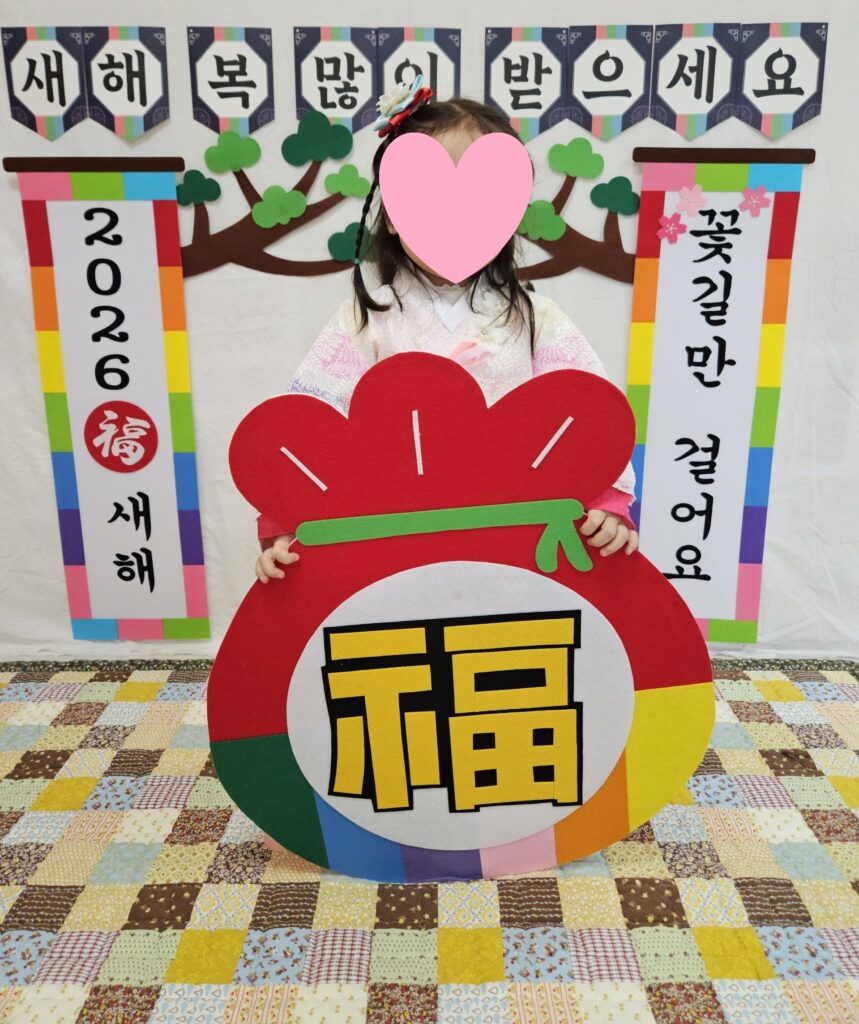
Children and young adults often wear Hanbok (traditional clothing) and perform a deep bow while saying, “Saehae bok mani badeuseyo” (새해 복 많이 받으세요), which means “May you receive many blessings in the New Year.” In return, elders give children Sebaetdon (New Year’s money) along with words of wisdom.
Essential Seollal Food: Tteokguk
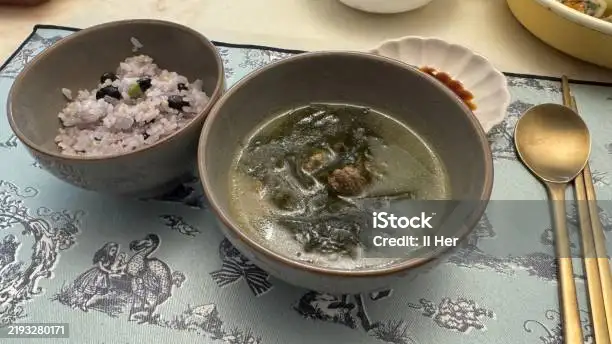
No Seollal celebration is complete without Tteokguk (sliced rice cake soup).
In Korea, eating a bowl of Tteokguk symbolizes turning one year older and starting the year with a clean, pure mind. The clear broth and white rice cakes represent a fresh beginning. Other popular holiday dishes include Jeon (savory pancakes) and Galbi-jjim (braised short ribs).
Tips for Visiting Korea During Seollal
If you are visiting Korea during the Lunar New Year, keep these things in mind:
- Transportation: Trains and buses are almost impossible to book last minute.
- Business Hours: Many local restaurants and shops may close on the day of Seollal, though major malls and department stores usually stay open except for the day itself.
- Cultural Experience: Major palaces in Seoul (like Gyeongbokgung) often offer free admission and traditional game experiences during the holiday.